• Home
  • Suggest A DIY
  • DIY Newsletter

Bath and Body

Soap Making, Oils and Recipes

  • About CraftGossip
  • Our Network
    • Bath & Body Crafts
    • Candle Making Ideas
    • Crochet Ideas
    • Cross Stitch
    • Edible Crafts
    • Felting Patterns
    • Glass Art
    • Home & Garden Ideas
    • Indie Crafts
    • Jewelry Making
    • Kids Crafts
    • Knitting Patterns
    • Lesson Plans
    • Needlework
    • Party Ideas
    • Polymer Clay
    • Quilting Ideas
    • Recycled Crafts
    • Scrapbooking
    • Sewing Patterns
    • Card Making
    • DIY Weddings
    • Not Craft Ideas
  • Giveaways
  • Roundups
  • Store
  • Search

10 DIY Sea Sponge Soap Tutorials

September 18, 2022 by Shellie Wilson Leave a Comment

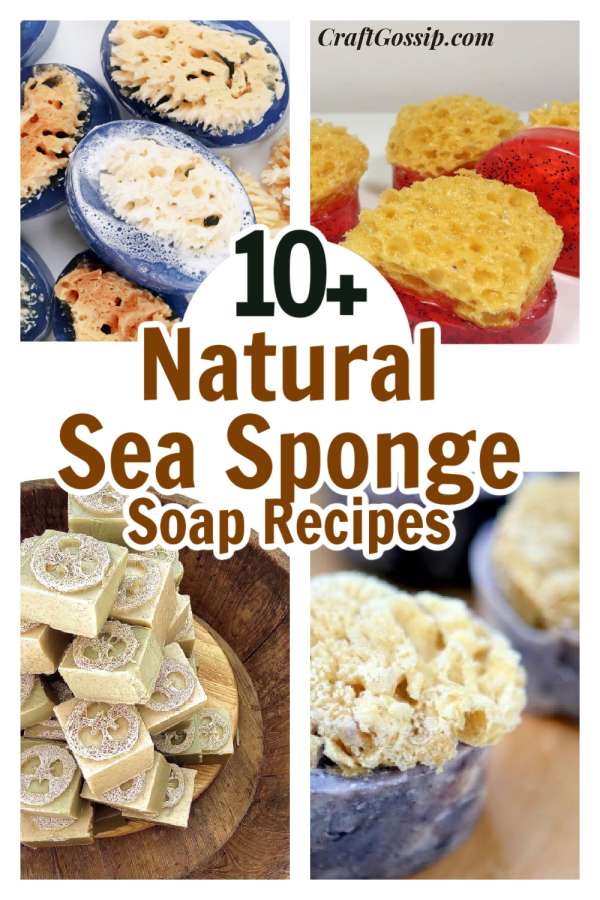
Sea sponges  are a great embed when it comes to DIY soap, adding an embed into a basic soap recipe can take your handmade soap from boring to something special.  All of these recipes below use natural sea sponges.  If you are looking for basic sponge soaps using store-bought bathroom sponges then check out this article here.

Sponges are found on the ocean floor or attached to substrates such as rocks, coral, shells, and marine organisms

So why add a sea sponge to your soap? Natural sea sponges provide gentle exfoliation to the skin, they are natures microfibre cloth, perfect for lifting impurities off the skin. The Sea Sponge is a renewable natural resource with divers taking from the top and the sponge regrowing from the bottom.


Strawberry Sea Sponge Soap

Bring the Ocean into Your Bathtub with Handmade Sea Sponge Soap Bars – Garden Therapy

Sea Sponge Cold Process Soap Project | Bramble Berry

Sea Sponge Soap

Spirulina and sea sponge video tutorial 

Tropical Sea Sponges Melt & Pour Soap Project

Check out this tutorial that uses Loofahs, Sliced Loofahs are more exfoliating and great for heels and elbows, you can even use synthetic loofahs embedded into your soaps.

Cucumber and Aloe Loofah Soap 

Here are my top tips for working with loofahs

Using loofahs in soaps can be a great way to add exfoliating properties and enhance the overall cleansing experience. Here are some tips for using loofahs in your soap making:

Choose the right loofah: Make sure you choose a high-quality loofah that is free of mold, mildew, or other contaminants. It is best to use natural loofahs as opposed to synthetic ones.

Cut the loofah: Cut the loofah into small pieces that are the same size as your soap mold. This will make it easier to embed the loofah pieces into the soap and ensure that each bar of soap has an equal amount of exfoliation.

Soak the loofah: Soak the loofah pieces in warm water for a few minutes before using them in your soap. This will help soften them up and make them easier to work with.

Embed the loofah: Once your soap has reached the appropriate temperature, gently press the loofah pieces into the soap mixture. Make sure they are evenly distributed throughout the soap.

Let the soap harden: Allow the soap to harden completely before removing it from the mold. This will ensure that the loofah pieces are firmly embedded in the soap and won’t fall out when in use.

Store the soap properly: Store the soap in a cool, dry place to prevent the loofah pieces from becoming damp and developing mold.
 

Related Posts:

  • DIY Makeup Remover Recipes For Every Skin Type
  • DIY Money Saving Bathroom And Kitchen Cleaners
«
»

Have you read?

DIY Herbal Vapor Rub Balm – A Natural Vicks-Style Decongestant for Cold and Flu Relief

When someone in the house starts sniffling, you just know it’s going to make the rounds. That’s when I reach for this homemade herbal vapor rub—our family’s go-to chest balm for easing congestion, coughs, and that heavy-headed sick feeling.

Made with gentle yet powerful essential oils, this balm works just like the classic Vicks rub (but without the synthetic stuff). It’s safe, effective, and smells like a eucalyptus grove with a hint of grandma’s medicine chest—in the best possible way!

Whether you’re treating a toddler’s sniffles or trying to head off a man cold, this DIY vapor rub will be your winter wellness MVP.

Why You’ll Love This Natural Decongestant Balm

  • No petroleum or nasties – A clean, green homemade Vicks alternative 
  • Gentle enough for kids – With optional adjustments for littlies 
  • Nourishing balm texture – Melts into skin without being greasy 
  • Essential oils – Provide cooling, clearing, and comforting support 
  • Customizable – Make it stronger for adults or extra-gentle for babies 

Ingredients

Base:

  • 1/4 cup coconut oil (or olive oil for a softer balm) 
  • 2 tbsp shea butter or mango butter 
  • 2 tbsp beeswax pellets 

Essential Oil Blend (for adults):

  • 10 drops eucalyptus essential oil 
  • 8 drops peppermint essential oil 
  • 6 drops rosemary essential oil 
  • 4 drops tea tree essential oil 
  • 4 drops lavender essential oil 

Optional for kids under 5:
Replace eucalyptus and peppermint with fir needle and cedarwood atlas, and halve the total essential oil amount.

How to Make Your Own Vapor Rub

  1. Melt the base:
    In a double boiler (or a bowl over simmering water), gently melt the coconut oil, shea butter, and beeswax together. Stir until smooth and liquid. 
  2. Cool slightly:
    Remove from heat and let cool just a few minutes—enough that it’s no longer scalding hot but still liquid. 
  3. Add essential oils:
    Stir in your essential oil blend. Don’t add them too early or the heat will evaporate their goodness. 
  4. Pour into tins or jars:
    Carefully pour into a small glass jar or metal balm tin. Let cool completely before putting the lid on. 
  5. Label & store:
    Store in a cool place away from sunlight. Balm will keep for up to 6 months. 

How to Use Your Herbal Chest Rub

  • For chest and back: Rub a small amount onto chest, upper back, and soles of the feet during cold or flu season. 
  • For steam relief: Add a pea-sized amount to a bowl of steaming water, cover your head with a towel, and inhale. 
  • For headaches: Dab a touch on temples and neck (use caution and avoid eyes). 

Mum Tips

  • Patch test first if you’re unsure about sensitivities. 
  • Keep a tiny jar in your handbag during winter for on-the-go sniffles. 
  • For a nighttime version, add a few drops of Roman chamomile or lavender for extra sleep support. 


Leave a Reply

Your email address will not be published. Required fields are marked *

RSS More Articles

  • FIFA Soccer Crafts For Kids, Crochet Fans And Game-Day Makers
  • Cross Stitch Ice Cream and Frozen Treats
  • Sunflower Ribbon Embroidery Tutorials and Kits to Brighten Your Hoop
  • 15 Charity Sewing Projects That Let You Sew Something Useful For A Good Cause
  • Decorating Mistakes That Make Your Living Room Feel Cluttered
  • Remembering Jill Smokler, Founder Of Scary Mommy
  • In the Garden Layer Cake – A Bloom-Filled Fabric Collection for Spring Sewing
  • How To Do Kitchener Stitch: A Beginner-Friendly Guide To Grafting Knitting Seamlessly
  • Pattern Review: Georgie Granny Square Bucket Hat Crochet Pattern
  • Free Giant Squishy Octopus Crochet Pattern

Copyright © 2026 · CraftGossip | Start Here | Contact Us | Link to Us | Your Editors | Privacy and affiliate policy