• Home
  • Suggest A DIY
  • DIY Newsletter

Bath and Body

Soap Making, Oils and Recipes

  • About CraftGossip
  • Our Network
    • Bath & Body Crafts
    • Candle Making Ideas
    • Crochet Ideas
    • Cross Stitch
    • Edible Crafts
    • Felting Patterns
    • Glass Art
    • Home & Garden Ideas
    • Indie Crafts
    • Jewelry Making
    • Kids Crafts
    • Knitting Patterns
    • Lesson Plans
    • Needlework
    • Party Ideas
    • Polymer Clay
    • Quilting Ideas
    • Recycled Crafts
    • Scrapbooking
    • Sewing Patterns
    • Card Making
    • DIY Weddings
    • Not Craft Ideas
  • Giveaways
  • Roundups
  • Store
  • Search

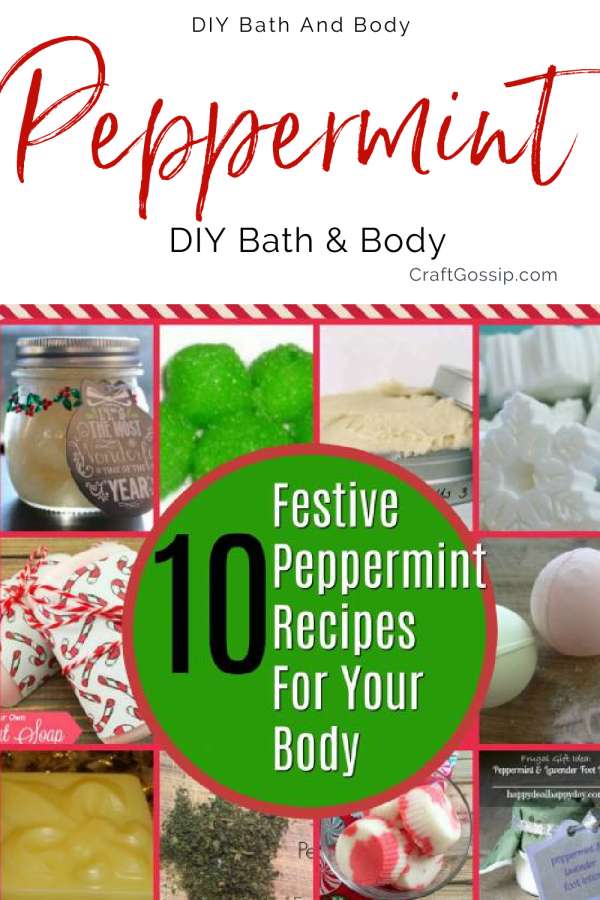
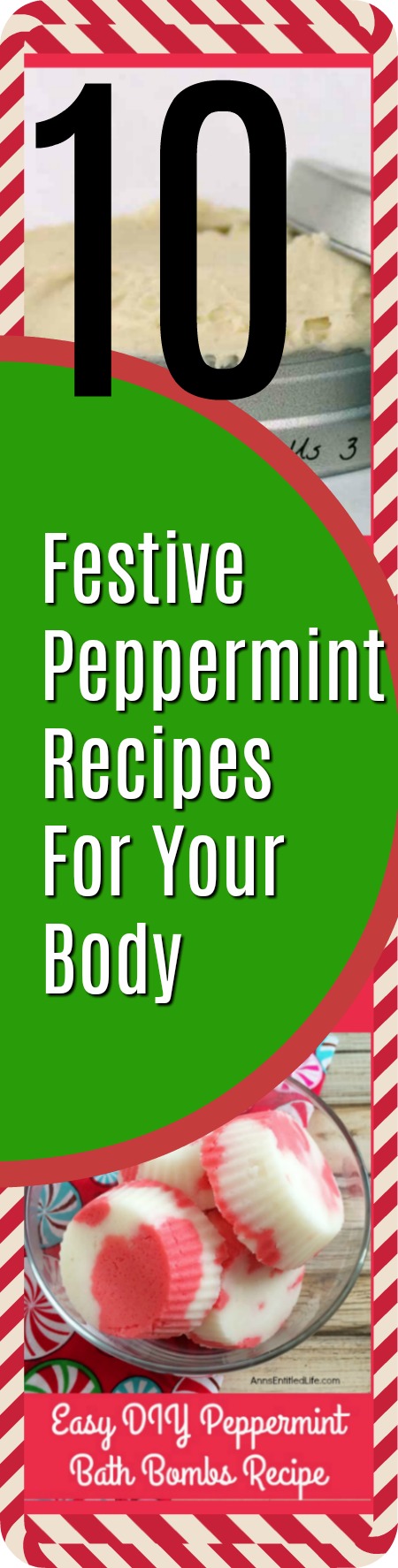
10 Festive Christmas Peppermint Body Recipes

November 21, 2017 by Shellie Wilson Leave a Comment

These DIY Peppermint recipes are delightfully festive. I love the smell of peppermint at Christmas time. Peppermint is refreshing and a natural anti-bacterial agent. These recipes all contain Peppermint essential oil or peppermint leaves.  Why not create a jar of Peppermint scrub and gift it to friends and family for a Handmade Christmas gift. All of these Peppermint recipes are nourishing and smell amazing too.

Peppermint is such a classic Christmas scent that can be used all year around. I have to say the easiest thing t make at Christmas time is scented bath salts. You can literally make KG of this bath salt up in no time at all.  I used to own a bath salt business and would make up 5 kg bags in less than 10 mins.  A few tricks I am not willing to share but one of them is using a tossing action, grabbing a strong bag for your ingredients, and toss it to mix through the fragrant or essential oils.

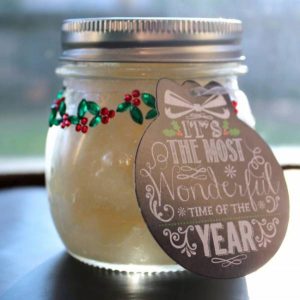
Peppermint Body Scrub

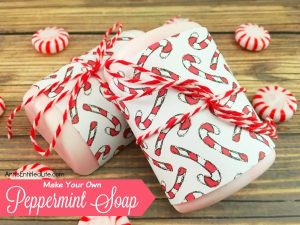
DIY Peppermint Soap

Peppermint Foot Bar – This DIY Bar melts as it touches your warm skin.
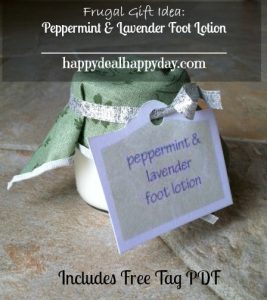
DIY Peppermint and Lavender Foot Lotion
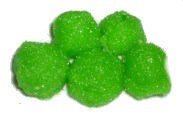
DIY Peppermint Candy For your Body.
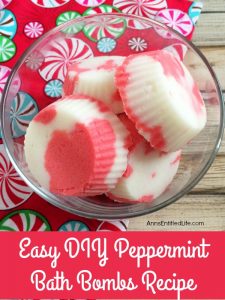
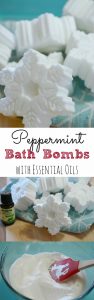
Peppermint Bath Bombs

Peppermint Bath Bombs shaped like Snowflakes
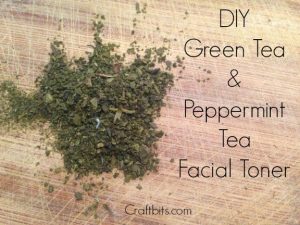
Green Tea And Peppermint Facial Toner
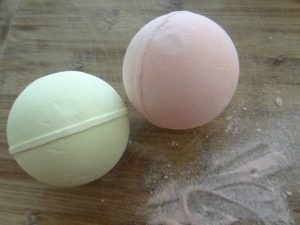
Easy to Make DIY Peppermint Bath Bombs
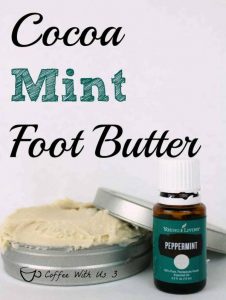
Cocoa Mint Foot

Peppermint oil is a versatile essential oil that blends well with many other essential oils. Some of the most popular essential oils that blend well with peppermint oil include:

Eucalyptus oil: This oil has a fresh, minty aroma that complements the cool, refreshing scent of peppermint. Together, they create a powerful blend that can help to clear the airways and ease respiratory issues.

Lavender oil: Lavender oil has a sweet, floral aroma that can help to balance out the sharp, minty scent of peppermint. This combination is great for promoting relaxation and easing stress and anxiety.

Lemon oil: Lemon oil has a bright, citrusy scent that pairs well with the refreshing aroma of peppermint. This blend can help to uplift your mood and promote mental clarity.

Rosemary oil: Rosemary oil has an herbal, woody aroma that can complement the cool, minty scent of peppermint. This blend is great for promoting focus and concentration.

Tea tree oil: Tea tree oil has a strong, medicinal scent that can help to enhance the cooling and refreshing properties of peppermint. Together, they create a powerful blend that can help to soothe skin irritation and promote healthy skin.

When blending essential oils, it’s important to use caution and follow proper dilution guidelines to avoid irritation or sensitization. It’s also a good idea to do a patch test before using any new essential oil blend on your skin.
 

«
»

Have you read?

How To Stamp Your Nails – Nail Stamping Review

Nail stamping is one of those clever beauty craft ideas that looks far more complicated than it really is. At first glance, patterned nails can seem like something you would only get from a salon, but this CraftBits tutorial shows how simple the process can be once you understand the basic technique.

The project uses nail stamping plates, two shades of nail polish, clear polish, cotton pads, and nail polish remover. The tutorial starts with clean, trimmed, filed nails, then adds one or two thin coats of a lighter polish as the base color before stamping the design on top. The instructions also explain the importance of letting the base coat dry completely before moving on to the stamping stage.

What I like about this tutorial is that it is honest about the learning curve. Nail stamping is easy once you get the rhythm, but the first few tries can be a bit messy. The polish can dry too quickly, the stamper may not pick up the whole image, or the design may not line up perfectly on the nail. That is all completely normal, and the tutorial makes it clear that practice is part of the process.

The basic method is simple: choose your stamping plate, remove the protective film, add polish to the design, scrape away the excess, roll the stamper across the image, then roll the design onto the nail. The key is to work quickly so the polish does not dry before it transfers. The tutorial also gives a practical tip that you do not have to buy a special scraper — an old gift card or credit card can work, but a razor blade should not be used because it is too sharp.

This project is especially good for anyone who likes the look of nail art but does not feel confident painting detailed designs by hand. Stamping plates let you create patterns such as chevrons, lace, florals, dots, swirls, and graphic designs with much less pressure than freehand painting.

It is also a nice budget-friendly option. Once you have a few stamping plates and a stamper, you can use them again and again with different polish colors. That makes it a fun DIY manicure idea for weekends, parties, holidays, or just adding something pretty to your everyday nails.

From a CraftBits point of view, this is a strong project because it fits beautifully into the handmade beauty and DIY bath-and-body space. It is creative, approachable, and practical. It also has good Pinterest potential because nail art tutorials are very visual, and people often save them for later when they are planning a manicure.

Why This Tutorial Works

This nail stamping tutorial works because it breaks the process down into simple steps and uses supplies that are easy to understand.

It is especially useful for:

Beginner nail art

DIY manicures at home

Patterned nail designs

Budget-friendly beauty crafts

Party nails

Holiday nail art

Learning how to use nail stamping plates

The technique does take a little practice, but once you get used to the timing, it becomes a quick way to create detailed nail designs.

Helpful Tips

Start with a small nail, such as your pinkie, while you practice. The CraftBits tutorial suggests this because there is a little more room for error when you are learning to line up the stamp.

Let your base polish dry completely before stamping.

Work quickly once you apply polish to the stamping plate.

Use firm pressure when rolling the stamper over the design.

Clean the plate between attempts if polish starts building up.

Keep cotton pads and remover nearby because nail stamping can get messy.

Seal the finished design with clear polish once the stamped image has dried.

Leave a Reply

Your email address will not be published. Required fields are marked *

RSS feed: More Articles More Articles

  • How to Price Handmade Christmas Items (Without Underselling During the Holidays)
  • 10 DIY Elegant Halloween Jewellery Ideas For Adults
  • Book Review: Knit an Heirloom Blanket
  • Fall Sensory Ideas for Kids
  • DIY Halloween Sock Candy Favours: A Sweet Gift With Cosy Socks
  • How To Stamp Your Nails – Nail Stamping Review
  • DIY Hanging Witch Hat Lights With a Magical Waterfall Glow
  • 15 Easy DIY Halloween Treat Bag Ideas for Candy and Non-Candy Gifts
  • 10 Handmade Cards with Autumn Leaves
  • Easy Fonts to Add to Your Cross Stitch

Copyright © 2026 · CraftGossip | Start Here | Contact Us | Link to Us | Your Editors | Privacy and affiliate policy