• Home
  • Suggest A DIY
  • DIY Newsletter

Bath and Body

Soap Making, Oils and Recipes

  • About CraftGossip
  • Our Network
    • Bath & Body Crafts
    • Candle Making Ideas
    • Crochet Ideas
    • Cross Stitch
    • Edible Crafts
    • Felting Patterns
    • Glass Art
    • Home & Garden Ideas
    • Indie Crafts
    • Jewelry Making
    • Kids Crafts
    • Knitting Patterns
    • Lesson Plans
    • Needlework
    • Party Ideas
    • Polymer Clay
    • Quilting Ideas
    • Recycled Crafts
    • Scrapbooking
    • Sewing Patterns
    • Card Making
    • DIY Weddings
    • Not Craft Ideas
  • Giveaways
  • Roundups
  • Store
  • Search

Activated Charcoal, What’s All The Fuss About?

November 20, 2015 by Shellie Wilson 2 Comments

Activated-Charcoal-Uses

Activated Charcoal is the new “Apple Cider Vinegar” when it comes to beauty trends. But Why is it so good for us?

Activated charcoal is a potent natural treatment used to trap toxins and chemicals in the body, allowing them to be flushed out so the body doesn’t reabsorb them. It’s made from a variety of sources, but when used for natural healing, it’s important to select activated charcoal made from coconut shells or other natural sources.

One of the most popular activated charcoal uses is for the safe and effective treatment of poisoning and drug overdoses. It’s used in emergency trauma centres across the world. In addition, it’s used to reduce bloating and gas, lower cholesterol, treat bile flow problems safely during pregnancy, and even prevent hangovers. (Source)

Want to know more? Here are the Top 10 uses for activated Charcoal.
«
»

Comments

  1. Shay says

    November 20, 2015 at 12:36 pm

    Unless you have some kind of medical condition or are experiencing an emergency (such as a drug overdose), your liver and spleen get rid of toxins quite efficiently every day, just as nature intended, with no additional assistance.

    And they’re free.

  2. Kerrin says

    November 20, 2015 at 11:37 pm

    Shay, you are spot on but there are lots of companies promoting a myriad of detox products, and they don’t like that sort of information being spread around (something to do with profits).

    I wonder how the activated charcoal possibly knows which chemicals or toxins require removal?? For example, will it remove any of the chemicals which the human body is made from? Does it remove dihydrogen monoxide, which is deadly in high quantities yet vital for life? How much of it will it remove? If not, how does it know not to?

Have you read?

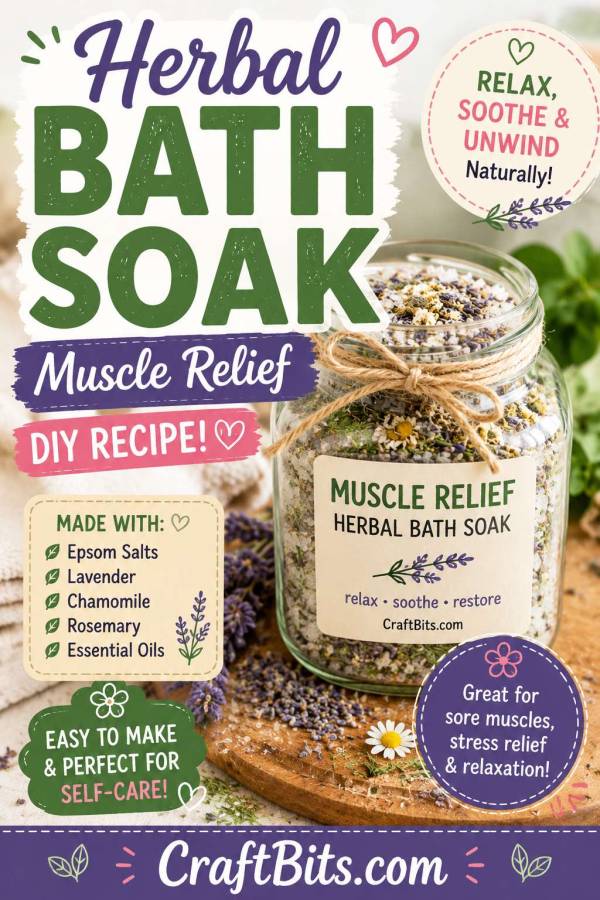
Herbal Bath Soak for Muscle Relief Review

There is something wonderfully old-fashioned about a herbal bath soak. Before bath bombs and glittery shower steamers took over the bathroom shelf, a simple bundle of dried herbs in warm water was one of the easiest ways to turn a bath into a little moment of comfort.

This Herbal Bath Soak for Muscle Relief from CraftBits is exactly that kind of recipe. It is simple, natural-looking, and made with easy-to-recognize dried herbs rather than complicated cosmetic ingredients. The mix includes chamomile leaves, crushed bay leaves, rose petals, sage, rosemary, and oregano, creating a strong herbal bath blend designed for tired, aching muscles.

What I like about this project is that it feels very practical. It is not trying to be overly fancy, and it does not require special equipment. You simply combine the herbs and either swish them directly into the bath water or place them into a square of muslin fabric tied with cord, then drop the bundle into the tub like a large herbal bath tea bag. The muslin option is the one I would personally choose, because it gives you the herbal soak without leaving lots of loose herbs floating around the bath.

The recipe is especially nice for people who enjoy warm, earthy, garden-style scents. Rosemary, sage, oregano, and bay all have that kitchen-garden herbal feel, while chamomile and rose petals soften the blend a little. It is not a sweet, perfume-style bath soak. It is more of a rustic, apothecary-inspired soak, which makes it appealing for people who prefer natural bath and body projects.

The CraftBits instructions suggest soaking for around 15 minutes, which makes this an easy add-on to an evening routine rather than a long spa session. The recipe also notes that the mix makes enough for two to three strong baths, or smaller amounts if you are sensitive to stronger herbal scents.

This would also make a thoughtful handmade gift. Pack the dried herbs into a decorative jar, muslin bags, or a small basket with a wooden scoop and a label that says “Herbal Bath Soak for Muscle Relief.” It would be lovely as part of a self-care hamper, a gardener’s gift basket, a post-workout pamper gift, or a handmade present for someone who likes natural bath recipes.

For gifting, I would definitely include usage instructions on the label. Something like: “Add to a muslin bag and steep in warm bath water. Soak for 15 minutes. External use only.” This makes the gift feel more polished and helps the recipient understand exactly how to use it.

Leave a Reply

Your email address will not be published. Required fields are marked *

RSS feed: More Articles More Articles

  • Hanukkah Cross Stitch Projects
  • Christmas on a Budget -Scrap Fabric Christmas Gift Bags You Can Use Every Year
  • 10 DIY Recycled Christmas Jewelry Ideas
  • The Miffy Crochet Book Review: 16 Sweet Projects for Bunny Lovers
  • Christmas on a Budget – How to Style Your Christmas Table Using Things You Already Own
  • Herbal Bath Soak for Muscle Relief Review
  • 10 Autumn Floral Cards
  • Knitting Machine Scarves with a Fun Twist
  • Gross Motor Math Ideas
  • 5 Things To Do With That Odd Leftover Jar Of Thumbtacks

Copyright © 2026 · CraftGossip | Start Here | Contact Us | Link to Us | Your Editors | Privacy and affiliate policy