• Home
  • Suggest A DIY
  • DIY Newsletter

Bath and Body

Soap Making, Oils and Recipes

  • About CraftGossip
  • Our Network
    • Bath & Body Crafts
    • Candle Making Ideas
    • Crochet Ideas
    • Cross Stitch
    • Edible Crafts
    • Felting Patterns
    • Glass Art
    • Home & Garden Ideas
    • Indie Crafts
    • Jewelry Making
    • Kids Crafts
    • Knitting Patterns
    • Lesson Plans
    • Needlework
    • Party Ideas
    • Polymer Clay
    • Quilting Ideas
    • Recycled Crafts
    • Scrapbooking
    • Sewing Patterns
    • Card Making
    • DIY Weddings
    • Not Craft Ideas
  • Giveaways
  • Roundups
  • Store
  • Search

Adjustable Elastic for Face Mask

February 20, 2021 by Shellie Wilson Leave a Comment

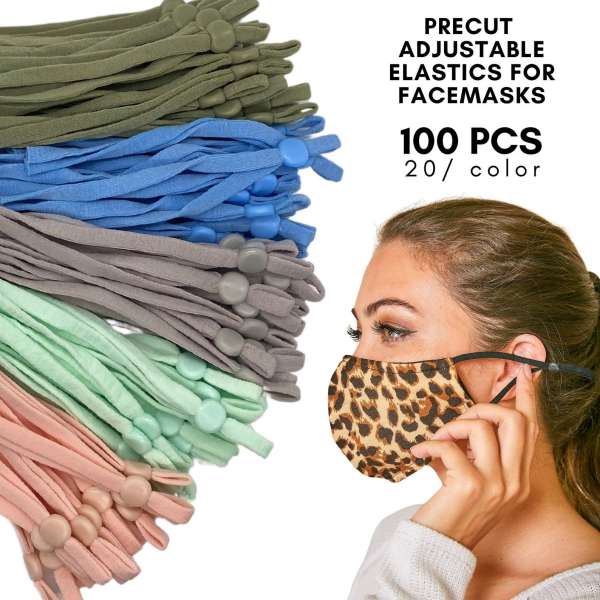
Roll back 6 months ago and everyone was having issues with Mask elastics and now a solution!

If you make face masks then consider adding these adjustable elastics to your face mask design. Sold in bulk so perfect for any small business that is making and selling masks.

Why choose Ananda and Co adjustable elastic earloops with a fastener buckle for your face masks?
– Our bands are skin-friendly for all-day wear without any rope burn on your ears!
– Show off your style by using our unique colored bands! Our multicolor options allow you to make a variety of designs; both for toddlers, kids, and adults.
– Our awesome colors will complement your outfit and allow you to express yourself!
– Adding the bands to your face mask is easy! Attach the straps with any sewing machine or go back to the basics and use the classic needle and thread method.

You can purchase these here. 

Did you know there are now DIY Covid tests you can purchase online and complete at home? Learn more Here.

Check out our other articles related to face masks
The best filters for face masks
DIY no sew Face masks
7 Masks you can make at home
Bandana Face Mask
DIY Face Mask Brace for tighter fitting masks
Need to make a lot of masks? Check out this amazing Mask Cutting Machine. It cuts 6 masks out at a time!
Wanting to create your own custom face mask? Check out this Website that allows you to design your own mask with ,photos, font and colors.
«
»

Have you read?

How to Tell the Difference Between Dry Scalp, Dandruff and Product Buildup

A

n itchy, flaky scalp seems as though it should be simple to fix. Wash it, moisturise it, perhaps give it a good scrub and carry on with your day.

Unfortunately, scalps can be rather dramatic little things.

The same white flakes and annoying itch can be caused by dry skin, dandruff, accumulated styling products or even a reaction to something you have applied. Treating the wrong problem can make matters worse too. A heavy oil treatment may soothe genuinely dry skin but leave product buildup even greasier, while a strong clarifying shampoo can make an already dry scalp feel tight and uncomfortable.

Before reaching for another bottle, scrub or homemade remedy, here is how to tell the difference between dry scalp, dandruff and product buildup, along with the most sensible way to deal with each one.

Please remember that this guide is for general information and cannot diagnose a medical condition. Persistent itching, redness, pain, sores, hair loss or severe scaling should be assessed by a doctor or dermatologist.

Dry Scalp vs Dandruff vs Product Buildup at a Glance

Scalp concernWhat the flakes often look likeHow the scalp may feelOther clues
Dry scalpSmall, fine, white and powderyTight, dry, mildly itchy or sensitiveHair may also feel dry and skin elsewhere may be dry
DandruffLarger white, off-white or slightly yellow flakesItchy, irritated and sometimes oilyFlakes often return despite ordinary shampooing
Product buildupWaxy flakes, sticky residue or powdery depositsCoated, greasy, congested or itchyHair feels heavy, dull or dirty soon after washing

These clues are helpful, but scalp problems can overlap. You may have an oily scalp with dry ends, dandruff alongside styling residue or irritation caused by both over-washing and too much dry shampoo.

What Is a Dry Scalp?

A dry scalp occurs when the skin does not have enough moisture or protective oil. It may feel tight, rough, itchy or mildly tender, especially after shampooing.

Dry scalp flakes are usually:

  • Small and fine
  • White or pale
  • Dry and powdery
  • Easy to brush from the hair
  • Accompanied by a tight or uncomfortable feeling

You may also notice dryness on your face, arms or legs. Cold weather, indoor heating, ageing and harsh hair products can all contribute to moisture loss.

Hormonal changes can also affect the way the skin and scalp retain moisture, which is why some women notice their scalp suddenly becoming drier or more sensitive during perimenopause and menopause.

Common Causes of Dry Scalp

Dry scalp may be triggered by:

  • Washing too frequently
  • Very hot showers
  • Strong clarifying shampoos
  • Fragranced hair products
  • Hair dye or chemical treatments
  • Cold or windy weather
  • Indoor heating
  • Naturally dry or sensitive skin
  • Age-related changes in the skin

A reaction to a hair product can also look like ordinary dryness. Shampoo, hair dye, essential oils, fragrance and styling products may all irritate sensitive skin.

What Dry Scalp Usually Does Not Look Like

Dry scalp is less likely to leave thick, greasy or yellowish scales. It also should not normally create a sticky coating on the hair shafts.

If your roots feel oily while the flakes look large and greasy, dandruff may be more likely than simple dryness.

What Is Dandruff?

Dandruff is a common scalp condition that causes visible flakes and itching. It is often associated with excess oil, skin-cell buildup and the scalp’s response to naturally occurring microorganisms on the skin.

Dandruff flakes are often:

  • Larger than dry scalp flakes
  • White, off-white or slightly yellow
  • More noticeable in the hair and on clothing
  • Accompanied by itching
  • Associated with an oily or mildly red scalp

Signs That Suggest Dandruff

You may be dealing with dandruff when:

  • Your scalp is flaky but also oily
  • The flakes are relatively large
  • Ordinary shampoo does not control the problem
  • The itching keeps returning
  • You notice redness or greasy scaling
  • Flaking becomes worse during stress or seasonal changes

Dandruff can come and go, which makes it particularly frustrating. You think you have finally beaten it, put away the special shampoo, and two weeks later your black top looks as though it has been lightly dusted with parmesan.

Dandruff Is Not Simply Poor Hygiene

Dandruff does not automatically mean someone is not washing properly. Hair type, oil production, washing habits, skin conditions and sensitivity can all play a role.

Regular and appropriate shampooing may help control mild dandruff, but some people need a properly formulated anti-dandruff shampoo.

Look for an active ingredient such as:

  • Ketoconazole
  • Selenium sulphide
  • Salicylic acid
  • Zinc pyrithione
  • Sulphur
  • Coal tar

Always follow the instructions on the product. Some medicated shampoos need to remain on the scalp for several minutes before rinsing, which is easily forgotten when you are rushing through a shower with conditioner in one hand and someone knocking on the bathroom door.

What Is Product Buildup?

Product buildup occurs when styling products, oils, silicones, dry shampoo, sweat and dead skin are not fully removed during regular washing.

It may develop gradually, particularly if you use several leave-in products or repeatedly apply dry shampoo between washes.

Product buildup may look or feel like:

  • A waxy or sticky coating near the roots
  • White powder trapped along the part line
  • Tiny clumps that can be rubbed from the scalp
  • Greasy hair shortly after washing
  • Dull, limp or strangely stiff hair
  • Roots that do not lather properly
  • An itchy or congested feeling without obvious redness

Unlike classic dandruff, buildup is often linked to the areas where products are applied. You may notice it most heavily around the crown, hairline, behind the ears and at the back of the neck.

Common Causes of Scalp Buildup

The usual culprits include:

  • Dry shampoo
  • Hairspray
  • Styling mousse
  • Texture spray
  • Hair oils
  • Leave-in conditioner
  • Silicone-rich serums
  • Thick curl creams
  • Sweat
  • Hard-water minerals
  • Conditioner applied directly to oily roots
  • Shampoo that has not been rinsed thoroughly

For a practical reset, try our apple cider vinegar scalp scrub for dry, flaky or product-coated roots.

That treatment is best reserved for a healthy, intact scalp rather than one that is red, scratched or actively inflamed.

Try the Fingertip Test

This is not a medical test, but it may help you observe what is happening.

Part your hair and gently rub the scalp with the pad of one clean fingertip.

It May Be Dry Scalp If:

  • Fine white powder comes away
  • The skin feels tight
  • There is little oil or stickiness
  • Your scalp feels worse after washing

It May Be Dandruff If:

  • Larger flakes loosen easily
  • The scalp feels oily beneath the flakes
  • There is itching or mild redness
  • The flakes return quickly after washing

It May Be Product Buildup If:

  • Your fingertip feels waxy or coated
  • Residue rolls into tiny sticky clumps
  • There is visible dry-shampoo powder
  • The hair near the scalp feels stiff, dull or greasy

Do not scratch at the scalp with your fingernails. Scratching can damage the skin barrier and create tiny wounds, increasing irritation and making it much harder to work out what caused the original problem.

How Each Condition Feels After Washing

Sometimes the best clue appears after shampooing.

Dry Scalp After Washing

A dry scalp may feel tighter, itchier or more uncomfortable after using a strong shampoo. Hot water and repeated washing may make it feel worse.

Dandruff After Washing

Dandruff may improve temporarily after shampooing but return within a few days. A regular cosmetic shampoo may not control it as effectively as a properly used anti-dandruff shampoo.

Product Buildup After Washing

Hair affected by buildup may still feel coated or heavy after shampooing. You might notice that the shampoo does not spread or lather normally, particularly around heavily coated roots.

One clarifying wash may make an obvious difference. If it does, product buildup was probably contributing to the problem.

The Best Approach for Dry Scalp

Dry scalp usually responds better to gentleness than enthusiastic exfoliation.

Try:

  • Switching to a mild, moisturising shampoo
  • Washing a little less often
  • Using lukewarm rather than hot water
  • Avoiding heavily fragranced products
  • Pausing strong clarifying shampoos
  • Rinsing thoroughly
  • Stopping any new product that may have triggered irritation
  • Applying conditioner to the hair without heavily coating the scalp

A light oil treatment may help some dry scalps, although it should be patch tested first and discontinued if it increases itching.

Our castor oil scalp treatment for dryness combines thick castor oil with a lighter carrier oil to make it easier to spread.

I would leave out optional essential oils when treating a sensitive or reactive scalp. Sometimes more ingredients simply mean more opportunities for your scalp to throw a tantrum.

The Best Approach for Dandruff

Dandruff generally needs more than moisture.

Look for an anti-dandruff shampoo containing a recognised active ingredient and use it exactly as directed. Some products are intended for frequent use, while others should only be used once or twice a week.

Apply the medicated shampoo to the scalp rather than concentrating it on the hair lengths.

With curly, coily, dry or colour-treated hair, keep the treatment mostly at the roots because some dandruff ingredients can be drying.

It may take a few weeks to determine whether a shampoo is working. Some people also need to alternate products containing different active ingredients.

Avoid trying to scrub dandruff away with a rough homemade exfoliant. Physical scrubbing may loosen flakes temporarily without treating the underlying problem, and aggressive friction can leave the scalp even more irritated.

The Best Approach for Product Buildup

For product buildup, the goal is to remove residue without stripping the scalp into submission.

Try:

  • Washing twice when the first shampoo does not lather
  • Using an occasional clarifying shampoo
  • Applying shampoo directly to the scalp
  • Rinsing for longer
  • Reducing dry-shampoo use
  • Cleaning combs and hairbrushes
  • Avoiding heavy oils at the roots
  • Using less styling product
  • Keeping conditioner mainly on the lengths and ends

A silicone scalp massager can help distribute shampoo, but use gentle pressure. The scalp is skin, not a saucepan that needs scouring.

CraftBits also has a simple shampoo buildup remover, although its bicarbonate-of-soda formula may be too drying for sensitive, curly, colour-treated or damaged hair.

A commercially formulated clarifying shampoo may be a better choice when dryness or irritation is already present.

You can also browse these DIY hair treatments for healthy hair when your hair lengths need a little extra care after clarifying.

Could It Be More Than One Problem?

Yes, and this is where scalp care becomes confusing.

You might have:

  • Dandruff plus dry hair
  • Product buildup covering an oily scalp
  • A dry scalp irritated by fragranced products
  • Dandruff made worse by heavy oils
  • Dry-shampoo buildup alongside seborrhoeic dermatitis
  • Contact dermatitis mistaken for dandruff

This is why piling on several remedies at once is rarely helpful.

Introduce one change at a time so you can see whether it improves or aggravates the problem.

What About an Itchy Scalp With No Flakes?

An itchy scalp without visible flaking may be caused by irritation, an allergic reaction, sweat, tightly tied hairstyles, lice, a skin condition or a product that has not been rinsed away properly.

Think about anything new you have used recently, including:

  • Shampoo or conditioner
  • Hair dye
  • Dry shampoo
  • Essential oils
  • Styling spray
  • Heat or muscle cream near the hairline
  • Perfume sprayed near the neck
  • Laundry products used on pillowcases
  • Hats, scarves or collars

Stop using any suspicious new product and wash the area gently.

Do not repeatedly apply scrubs, vinegar, essential oils or strong clarifying products to already irritated skin.

When to See a Doctor or Dermatologist

Seek professional advice when your scalp problem is persistent, severe or accompanied by:

  • Constant or worsening itching
  • Bright redness
  • Pain, warmth or swelling
  • Broken or weeping skin
  • Bleeding or crusting
  • Thick scales
  • Pus-filled bumps
  • Circular patches
  • Hair loss
  • Swelling around the face or eyes
  • Symptoms following a chemical product or hair dye
  • No improvement after appropriate over-the-counter care

Conditions such as psoriasis, eczema, fungal infections, contact dermatitis and seborrhoeic dermatitis can resemble ordinary dry scalp or dandruff.

A dermatologist can identify the cause and recommend a treatment that matches it.

A Simple Scalp Reset Routine

When you are unsure what is causing mild flakes or buildup, keep things simple for one week.

  1. Stop using dry shampoo and heavy root products.
  2. Wash with a gentle shampoo and rinse thoroughly.
  3. Avoid hot water and vigorous scrubbing.
  4. Keep conditioner on the mid-lengths and ends.
  5. Wash your hairbrush and change your pillowcase.
  6. Observe whether your scalp feels dry, oily or coated.
  7. Introduce a dandruff or clarifying shampoo only when the symptoms point in that direction.

A quiet, stripped-back routine often reveals more than throwing six new products at the problem at once.

The Simplest Way to Remember the Difference

Think of it like this:

Dry scalp needs gentleness and moisture.

Dandruff usually needs an appropriate anti-dandruff treatment.

Product buildup needs thorough cleansing and fewer layers of styling product.

The flakes may look frustratingly similar, but the surrounding clues, including oiliness, tightness, stickiness, redness and how your scalp responds to washing, can help you choose the most sensible next step.

And whatever you do, resist the temptation to scratch, scrub and pickle your scalp in vinegar all on the same afternoon.

Sometimes the kindest thing you can do for an irritated scalp is leave it alone long enough to tell you what is actually wrong.

Leave a Reply

Your email address will not be published. Required fields are marked *

RSS More Articles

  • 10 Fall Leaves Scrapbook Layout Templates for Cosy Autumn Memory Keeping
  • Activities and Crafts for Johnny Appleseed Day
  • Totoro Knitting Patterns
  • Mixed-Fibre Quilts: How to Combine Linen, Hemp and Cotton Lawn Without Regretting It
  • 15 Tapestry Crochet Patterns That Make Colorwork Surprisingly Easy
  • Can You Boil Polymer Clay? The Truth Every Crafter Should Know
  • Easy Homemade Mayonnaise Recipe – Know Exactly What’s in Your Food
  • 10 Dollar Store Home Hacks That Look Surprisingly Expensive
  • DIY Review: Giving a Vintage Milk Can New Life as a Charming Outdoor Side Table
  • 8 FREE Camping Journal and Project Life Cards to Download

Copyright © 2026 · CraftGossip | Start Here | Contact Us | Link to Us | Your Editors | Privacy and affiliate policy