• Home
  • Suggest A DIY
  • DIY Newsletter

Bath and Body

Soap Making, Oils and Recipes

  • About CraftGossip
  • Our Network
    • Bath & Body Crafts
    • Candle Making Ideas
    • Crochet Ideas
    • Cross Stitch
    • Edible Crafts
    • Felting Patterns
    • Glass Art
    • Home & Garden Ideas
    • Indie Crafts
    • Jewelry Making
    • Kids Crafts
    • Knitting Patterns
    • Lesson Plans
    • Needlework
    • Party Ideas
    • Polymer Clay
    • Quilting Ideas
    • Recycled Crafts
    • Scrapbooking
    • Sewing Patterns
    • Card Making
    • DIY Weddings
    • Not Craft Ideas
  • Giveaways
  • Roundups
  • Store
  • Search

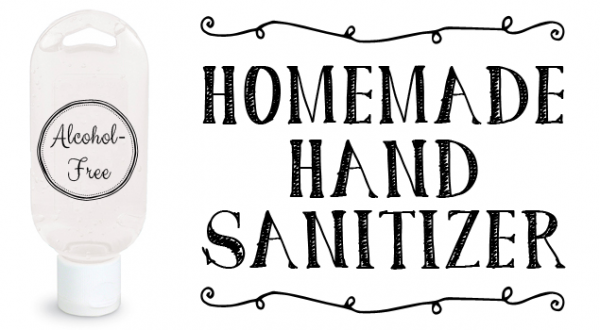
Updated: Home-Made Alcohol Free Hand Sanitizer

September 24, 2014 by Shellie Wilson 3 Comments

hand-sanitizer-4

After contracting Viral Meningitis a few years ago I became obsessed with Hand Sanitizer. I got sick after the swine flu peak in 2009.  I literally have a bottle of the “bought stuff” at my front door for people to use when they come in and leave if they so desire.  I hate snotty kids who’s boogers (As my kids call it) drips all over the place. I do however love the idea of this more natural approach to cleaning my children’s hands.

Do you use Sanitizer? Do you think it helps?  Here is the full tutorial on making your own Alcohol free Sanitizer.

Updated to add: With the impending shortage of Hand Sanitizers, disinfectant cleaners, and Medical masks this DIY is a great starting point to making your own and making sure your family is protected as best they can be against, flu, Influenza A, B and Coronavirus.
Related Posts:

  • How to Make Foaming Hand Soap From Regular Hand Soap
  • Easy Homemade Laundry Soap From Scratch for Beginners
«
»

Comments

  1. Cassie says

    September 24, 2014 at 12:20 pm

    It’s a pretty idea, but I can’t find ANY legitimate, peer-reviewed scientific support for her claims that bacteria can develop resistance to alcohol, or that herbal extracts are anywhere near as effective. In fact, science says pretty much the exact opposite. I’d rather trust my health to actual biologists and chemists than an untrained “natural-living” fanatic on the internet.

    (And ethyl alcohol, by the way? Fermented plant juices. Natural.)

  2. G says

    September 24, 2014 at 8:14 pm

    Cassie, if you follow the link to the article, you’d note that the author is a medical doctor. While we as humans will never all completely agree on these sorts of topics, we can share ideas respectfully and refrain from derogatory labels which serve no purpose other than to be mean. As my kids would say, don’t be a hater.

  3. Cassie says

    September 25, 2014 at 2:29 pm

    I did read the article written by the doctor. He’s not the one claiming that bacteria can become immune to alcohol. That claim was made by Jillee, who’s a journalist and has no background in science that would qualify her to make such a statement. “Untrained” is not derogatory or mean; it’s a statement of fact. The people who are trained are in complete agreement that what she’s claiming happens is simply not biologically possible. “Fanatic” is subjective, I’ll give you that.

    When this recipe was first published in 2011, one of the comments was from an organ transplant recipient who had a compromised immune system because of the anti-rejection drugs she had to take and used hand sanitizer to help her avoid infections which could easily kill her. She was SO HAPPY that now she could get rid of her alcohol-based sanitizer and make her own instead! Her life depended on her staying healthy, and she was blindly trusting it to the say-so of a blogger. As the child of a transplant recipient, I was shocked, and immediately started researching for myself.

    Alcohol-based sanitizers have repeatedly been proven effective through stringent laboratory testing; the results have been published in peer-reviewed medical journals and are freely available. I can’t find any such literature regarding testing of alcohol-free, herbal sanitizers, only assurances from their promoters that they work just as well, if not better, honest! They’re better because they’re “natural!”

    Well, I don’t find that particularly convincing, and it frankly scares me that so much of the population is convinced because they don’t have the scientific background to know how to critically examine the evidence. The word of one doctor, a “natural-living” proponent himself, isn’t proof.

    Reliance on untested folk remedies over tested ones is risky. That’s not “hating,” that’s common sense. I hope that woman’s still alive.

Have you read?

DIY Sore Muscle Relief Balm with Essential Oils – Natural Comfort in a Jar

When your back’s tight, your shoulders are screaming, and even stretching feels like too much effort—sometimes, you just need a little help in a jar.

Enter this soothing DIY Sore Muscle Relief Balm. It’s warming, nourishing, and infused with essential oils known for easing tension and boosting circulation. Whether you’re dealing with post-gardening aches, a long day on your feet, or that stubborn neck kink from sleeping funny (again), this balm is a natural way to say goodbye to muscle misery.

I keep a tin of this on my bedside table and another in the kitchen drawer. It’s a go-to remedy in our house for everything from growing pains to post-walk stiffness—and trust me, with a big dog like Aloo dragging me around, I know sore calves!

Why Make Your Own Muscle Balm?

Commercial rubs often contain synthetic fragrances, petroleum byproducts, or ingredients that can be too harsh on sensitive skin. When you make your own, you’re in full control—and it doesn’t have to be complicated or time-consuming.

This DIY balm is:

  • Petroleum-free and non-toxic 
  • Packed with anti-inflammatory oils 
  • Warming without the burn 
  • Gentle on sensitive or mature skin 
  • Perfect for gifting 

Ingredients You’ll Need

Base Oils & Butters:

  • ¼ cup shea butter – rich in vitamins and helps deeply hydrate skin 
  • 2 tbsp beeswax pellets – thickens the balm and adds a protective barrier 
  • ¼ cup coconut oil – light carrier oil with natural anti-inflammatory properties 
  • 2 tbsp magnesium oil (optional but recommended for extra relief) 

Essential Oils Blend:

  • 10 drops peppermint essential oil – cooling and refreshing 
  • 8 drops eucalyptus essential oil – helps reduce inflammation 
  • 6 drops rosemary essential oil – boosts circulation 
  • 5 drops lavender essential oil – calming and soothing 
  • 4 drops ginger essential oil – gentle warming effect (skip if sensitive to heat) 

Note: Always do a patch test before slathering it on.

How to Make It – Step-by-Step

  1. Melt Your Base
    In a double boiler (or a heat-safe bowl over simmering water), melt together the shea butter, beeswax, and coconut oil until fully liquified. 
  2. Add Magnesium Oil (Optional)
    Remove from heat and stir in magnesium oil if using. This may cause some bubbling—that’s normal! 
  3. Cool Slightly
    Let the mixture cool for a couple of minutes. You want it warm but not hot to avoid damaging the essential oils. 
  4. Stir in Essential Oils
    Add your essential oils and mix thoroughly with a wooden stick or glass stirrer. 
  5. Pour into Tins or Jars
    Carefully pour the balm intometal balm tins or glass jars. Let cool uncovered until set. 
  6. Label & Store
    Store in a cool place away from direct sunlight. It should last 6–12 months. 

How to Use Your Homemade Muscle Rub

  • Massage a small amount into sore muscles after a shower or bath. 
  • Use it before bed to help loosen tight areas and promote deeper sleep. 
  • Rub into feet and calves after long days of standing or walking. 
  • Warm it between your hands for easier spreading on cold days. 

Bonus tip: Rub a bit onto temples and neck during tension headaches—peppermint works wonders.

Customize Your Balm

Want to make it your own? Here are a few add-ins:

  • Arnica oil – great for bruises and swelling 
  • Cayenne pepper oil – for extra heat (only a drop or two!) 
  • Menthol crystals – adds a deep cooling sensation, use sparingly 
  • Comfrey-infused oil – old-school remedy for joint pain and strains 

Gift It!

This balm makes a thoughtful gift for:

  • Gym-goers 
  • Gardeners 
  • Grandparents 
  • Stressed-out teachers 
  • Care packages for new mums or anyone in recovery 

Pair it with a cozy pair of socks or a DIY rice heat pack for a full self-care bundle.

Making your own sore muscle balm isn’t just about saving money or going natural—it’s about putting a little love and intention into your self-care. This balm smells divine, feels luxurious, and actually works. No mystery ingredients. No overpriced tubes. Just natural, handmade relief whenever you need it.


Leave a Reply

Your email address will not be published. Required fields are marked *

RSS More Articles

  • The 5 Outlet Placement Mistakes You Don’t Want to Make
  • Celebrate the Spirit of the Southwest with These Stunning Indian Navajo Tribal Quilt Patterns
  • Pricing Handmade Sewing Items Without Undervaluing Yourself
  • Tips for Teaching the Alphabet to Kids
  • Yarn Sardines T-Shirt Review – A Whimsical Gift For Yarn Lovers
  • Cropped Chunky Granny Stitch Cardigan Crochet Pattern
  • Free Butterfly Digital Stamps for Card Making, Coloring and Paper Crafts
  • 14 Masculine Card Ideas for Guys
  • Juneteenth Cross Stitch Patterns
  • Ties to Knit for Father’s Day

Categories

Bath And Body bath bombs Body Scrubs & Lotions Colds & Flu CraftGossip Exclusive Craft Inspirations DIY Recipes And Tutorials DIY Tutorials and Patterns Essential Oils And Aromatherapy facials Hair Care Makeup & Beauty Melt & Pour Soap Packaging Product Reviews Seasonal Products & Tutorials Soapmaking Recipes, Products And Tutorials Style Me Quick Supply Store Specials & Discounts Wellbeing

Copyright © 2026 · CraftGossip | Start Here | Contact Us | Link to Us | Your Editors | Privacy and affiliate policy