• Home
  • Suggest A DIY
  • DIY Newsletter

Bath and Body

Soap Making, Oils and Recipes

  • About CraftGossip
  • Our Network
    • Bath & Body Crafts
    • Candle Making Ideas
    • Crochet Ideas
    • Cross Stitch
    • Edible Crafts
    • Felting Patterns
    • Glass Art
    • Home & Garden Ideas
    • Indie Crafts
    • Jewelry Making
    • Kids Crafts
    • Knitting Patterns
    • Lesson Plans
    • Needlework
    • Party Ideas
    • Polymer Clay
    • Quilting Ideas
    • Recycled Crafts
    • Scrapbooking
    • Sewing Patterns
    • Card Making
    • DIY Weddings
    • Not Craft Ideas
  • Giveaways
  • Roundups
  • Store
  • Search

How To Preserve Homemade Skincare Recipes Safely – A Handy Guide For DIY Beauty Makers

May 28, 2026 by Shellie Wilson Leave a Comment

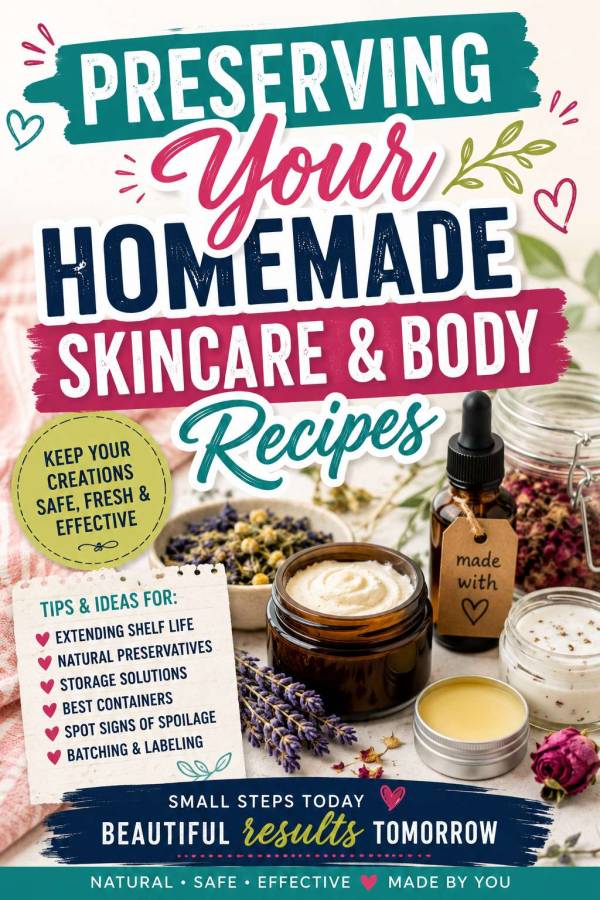
If you love making your own scrubs, creams, oils, balms, and fresh face masks, then this little guide from CraftBits is one of those practical pages worth bookmarking before your kitchen turns into a mini apothecary. And let’s be honest, once you start making homemade bath and body recipes, it is very easy to end up with half a dozen jars in the fridge and absolutely no idea which one is still safe to use.

The CraftBits guide, Preserving Your Recipes, walks through the basics of keeping homemade creams, scrubs, oils, balms, herbal infusions, and fresh masks stored properly. It covers simple but important reminders like using sterile bottles and utensils, keeping containers airtight, and understanding that different recipes have very different shelf lives. The original project explains that fresh food-based masks may only last a day or two, while treatment oils and dry scrubs can last much longer when stored correctly.

What I like about this guide is that it answers one of the most common beginner questions in DIY skincare: how long will this actually keep? It is not the glamorous part of homemade beauty making, but it is the part that matters. Nobody wants to lovingly make a rose scrub or creamy lotion only to discover it has gone strange in the back of the fridge. We have all had that one mystery jar moment, haven’t we?

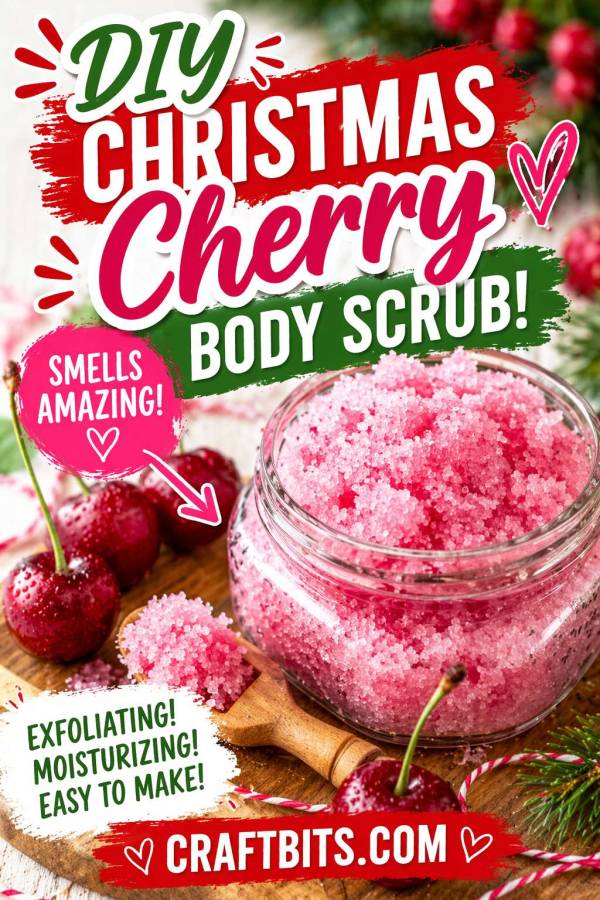
This is especially useful if you are making recipes from the CraftBits Bath and Body Crafts section, because homemade skincare is not the same as store-bought skincare. Anything with water, milk, fruit, herbs, or fresh ingredients needs more care than a simple oil blend or dry salt scrub. The article also makes a good companion read for anyone trying DIY recipes like homemade body scrubs, lip balms, bath soaks, or fresh masks.

For anyone who wants to make small batches for personal use, this guide is a great starting point. For anyone planning to sell handmade bath and body products, it is also a reminder that proper cosmetic preservation is not something to guess at. You will want to research cosmetic-grade preservatives, safe formulation percentages, and local labelling rules before offering anything for sale.

A few handy supplies that make this whole process easier are small amber glass jars, pump bottles, cosmetic spatulas, waterproof labels, and date-made stickers. Amazon is a good place to grab basic storage containers and printable labels, especially if you are batch-making several recipes at once.

This is one of those practical DIY beauty resources that may not look fancy at first glance, but it can save you a lot of wasted ingredients, questionable jars, and late-night Googling.

Best for: DIY skincare beginners, handmade bath product makers, small-batch beauty crafters, and anyone who keeps homemade scrubs in the fridge and forgets when they made them.
«
»

Have you read?

DIY Cheeky Clean Spray Recipe – A Gentle Toilet Tissue Spray You Can Make at Home

If you’ve been curious about making your own cheeky clean spray at home, you’re not alone. More and more people are looking for simple alternatives to disposable wet wipes, especially when they want something gentler, less wasteful, and easy to keep in the bathroom or pop into a bag.

A DIY toilet tissue spray can be a handy little bathroom staple. The idea is simple: instead of reaching for pre-moistened wipes, you lightly mist a bit of toilet paper and use that for a fresher clean. It cuts down on waste, skips the bulky packets, and gives you more control over what goes into the product.

And honestly, this is one of those small homemade swaps that feels a bit extra in the best possible way. A bit practical, a bit fancy, and surprisingly useful once you start using it.

This version is designed to feel gentle, lightly soothing, and easy to make if you already enjoy DIY bath and body projects. It uses skin-loving ingredients like chamomile hydrosol, aloe vera juice, glycerine, and a very small amount of essential oil for freshness. It is intended for external use only and should be sprayed onto toilet tissue rather than directly onto skin.

Why make a DIY toilet tissue spray?

There are a few reasons this kind of recipe appeals to DIY bath and body makers:

  • it can be a more eco-conscious alternative to wet wipes
  • it is easy to customise
  • it feels gentler than heavily fragranced commercial products
  • it is handy for travel, handbags, guest bathrooms, or everyday use
  • it gives you a way to control the ingredients

This type of product has also become popular as a reusable wipe alternative, with commercial versions marketed as a spray-to-wipe bathroom product. The source article you shared was published on November 10, 2023, and focused on reverse-formulating a commercial “Cheeky Clean Spray” style product.

What this recipe is designed to do

This homemade cheeky clean spray is meant to:

  • lightly dampen toilet tissue
  • add a gentle, fresh feel
  • include a little slip from glycerine
  • avoid the over-soaked feel that some homemade sprays can have
  • stay lightly thickened so the formula feels a bit more luxe than plain water

The original source article also used a preserved water-based formula with aloe, hydrosol, glycerine, a glucoside, xanthan gum, and a preservative system, with the finished product tested at pH 5.5.

DIY Cheeky Clean Spray Recipe

Makes: 200ml
Use: External use only, sprayed onto toilet tissue

Ingredients

Phase A

  • 140g chamomile hydrosol
  • 40g aloe vera juice

Phase B

  • 8g vegetable glycerine
  • 0.2g xanthan gum
  • 8g propanediol

Phase C

  • 2g coco glucoside
  • 0.1g lavender essential oil
  • 0.1g lemon myrtle essential oil

Phase D

  • 2g broad-spectrum preservative suitable for water-based products

Equipment

  • digital scale accurate to 0.1g
  • small beakers or mixing bowls
  • mini whisk or stirring rod
  • 200ml fine mist spray bottle
  • funnel
  • label

How to make it

Step 1: Make the slurry

In a small container, combine the glycerine, xanthan gum, and propanediol. Stir until it forms a smooth slurry. This step matters because xanthan gum loves to clump the moment it touches water, and nobody wants jelly blobs floating around their bathroom spray.

Step 2: Add the watery ingredients

Slowly stir in the chamomile hydrosol and aloe vera juice. Add them gradually while mixing so the xanthan gum disperses evenly.

Step 3: Add the cleansing phase

Mix in the coco glucoside gently. Then add the lavender and lemon myrtle essential oils. Stir carefully so you do not whip too much foam into the formula.

Step 4: Add preservative

Add your preservative according to the supplier’s recommended usage rate for this type of water-based formula. Stir thoroughly.

Step 5: Bottle the spray

Pour the mixture into a clean 200ml spray bottle. Let it sit for around 24 hours so the texture fully settles before using.

How to use it

Spray lightly onto a piece of toilet tissue, then use as needed. Do not spray directly onto intimate skin. This is intended as a bathroom tissue spray for external hygiene use only.

Why these ingredients work

Chamomile hydrosol

Chamomile is often chosen in gentle skincare-style formulas because it has a soft, calming feel. It also makes the recipe feel more premium than plain distilled water.

Aloe vera juice

Aloe gives the spray a cooling, soothing touch and helps the formula feel less stark and watery.

Glycerine

This adds a little moisture and slip, which helps the toilet tissue feel softer during use.

Xanthan gum

Only a tiny amount is needed. In the original article, xanthan gum was used to slightly thicken the formula and help keep the ingredients evenly distributed.

Coco glucoside

This is a very mild cleanser and helps the formula feel more like a true freshening spray rather than just scented water.

Lavender and lemon myrtle essential oils

Used in very low amounts, these add a fresh scent and help the spray feel clean and uplifting without becoming overpowering.

Preservative

Because this is a water-based product, a proper preservative is not optional. Without one, the spray can grow bacteria, yeast, or mould.

Important safety notes

Because this is a water-based personal care style recipe, hygiene and preservation really matter.

  • Use a broad-spectrum preservative suitable for water-based formulas.
  • Do not skip the preservative.
  • Make small batches if you are new to DIY body products.
  • Label the bottle with the date you made it.
  • Keep the recipe for external use only.
  • Avoid use on broken, irritated, or freshly shaved skin.
  • Stop using it if irritation occurs.
  • Patch test first, especially if you are sensitive to essential oils.

If you want to be extra careful, check the pH of your final product and aim for a skin-friendly range.

Can you make this without essential oils?

Yes, and plenty of readers will probably prefer that version.

If you want an ultra-gentle unscented version, simply leave out the essential oils and replace that tiny percentage with a little more hydrosol. That is often the better option for very sensitive skin or for households that prefer fragrance-free products.

Can you use distilled water instead of hydrosol?

Yes. Distilled water is perfectly fine if you want a more budget-friendly version. The chamomile hydrosol just makes the spray feel a little more soothing and boutique.

A simple version could use:

  • distilled water
  • aloe vera juice
  • glycerine
  • a tiny amount of xanthan gum
  • preservative

That gives you the same general idea with fewer specialty ingredients.

Why people are switching from wipes to spray

Disposable wipes may feel convenient, but many people are trying to reduce waste in the bathroom and avoid buying single-use products over and over again. A toilet tissue spray gives that same “freshened up” feeling without relying on packets of wipes.

It is one of those small DIY changes that feels surprisingly satisfying. A bit like making your own linen spray or hand scrub — not essential, but once you have it, you keep reaching for it.

Handy tips before you make it

  • Use a fine mist bottle rather than a stream spray.
  • Do not overdo the xanthan gum or the spray may clog.
  • Add the glucoside gently to avoid bubbles.
  • Store away from direct heat and sunlight.
  • Make sure your bottle and tools are well sanitised before you begin.

Variations to try

Once you have the basic idea down, you can experiment with:

Fragrance-free version

Best for very sensitive users.

Aloe-heavy version

Increase aloe slightly for more of a soothing feel.

Travel-size version

Bottle it in a 50ml spray bottle for handbags or travel kits.

Botanical bathroom version

Swap chamomile hydrosol for lavender hydrosol for a different scent profile.

A practical little bathroom DIY

This is one of those recipes that sounds slightly quirky until you make it, then suddenly it makes complete sense. It is small, useful, and feels like a thoughtful homemade swap for anyone trying to cut down on wipes or create a gentler bathroom routine.

And let’s be honest, the best DIY projects are often the ones that solve an everyday annoyance. Not just the pretty ones that sit on a shelf looking cute while your cupboard of half-used craft supplies quietly judges you.

Leave a Reply

Your email address will not be published. Required fields are marked *

RSS More Articles

  • Easy Crochet Projects That Start With A Magic Loop
  • Chicken Coasters To Crochet For Farmhouse Kitchens, Easter Tables And Handmade Gifts
  • Red Panda Crochet Patterns For Cute Woodland Amigurumi Projects
  • How to Make a Tri-Fold Castle Card
  • Everything You Need to Know about French Knots and Cross Stitch
  • Book Review Wednesday: Bead Jewelry Making For Beginners
  • Book Review Wednesday: Polymer Clay Jewelry
  • Knit a Pastel Plaid Sweater
  • 12 Scrapbookers You Should be Following on Instagram (where are all the blogs? pt. 2)
  • Shadow Knitting And Illusion Knitting Shawl Patterns With Hidden Designs

Copyright © 2026 · CraftGossip | Start Here | Contact Us | Link to Us | Your Editors | Privacy and affiliate policy