• Home
  • Suggest A DIY
  • DIY Newsletter

Bath and Body

Soap Making, Oils and Recipes

  • About CraftGossip
  • Our Network
    • Bath & Body Crafts
    • Candle Making Ideas
    • Crochet Ideas
    • Cross Stitch
    • Edible Crafts
    • Felting Patterns
    • Glass Art
    • Home & Garden Ideas
    • Indie Crafts
    • Jewelry Making
    • Kids Crafts
    • Knitting Patterns
    • Lesson Plans
    • Needlework
    • Party Ideas
    • Polymer Clay
    • Quilting Ideas
    • Recycled Crafts
    • Scrapbooking
    • Sewing Patterns
    • Card Making
    • DIY Weddings
    • Not Craft Ideas
  • Giveaways
  • Roundups
  • Store
  • Search

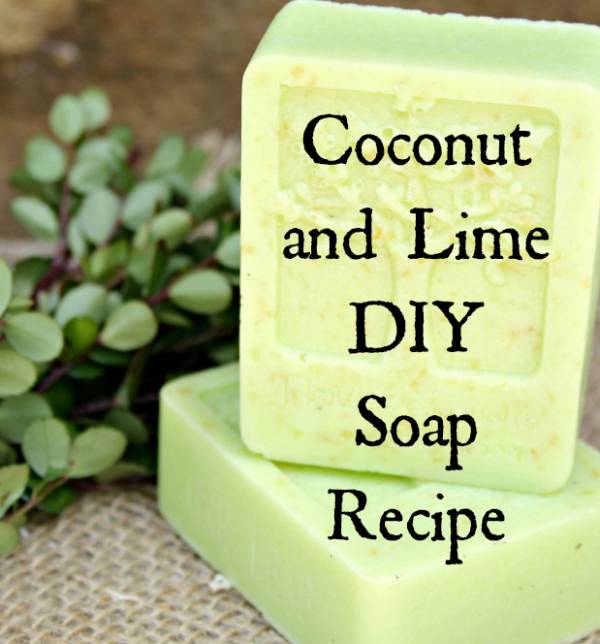
Melt and Pour Soap – Coconut and Lime

July 2, 2018 by Shellie Wilson 8 Comments

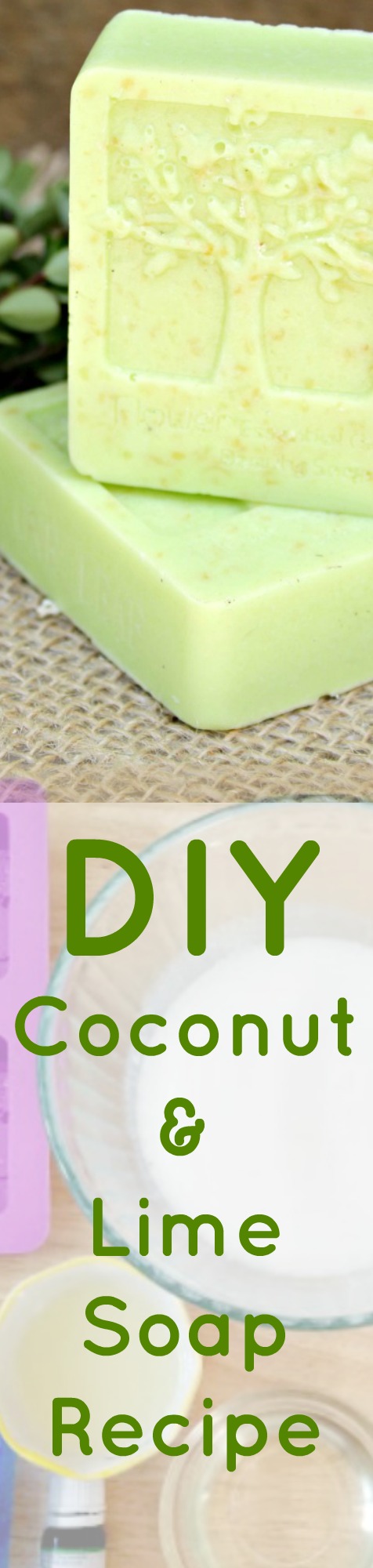
This soap making recipe shows you how to make soap using Coconut milk and lime juice. This melt and pour soap method using easy to use soap base that you just add ingredients to. The soap making tutorial is easy to use with step by step photos to guide you as you make this handmade soap. Use organic materials to create a natural organic soap.


Lime Essential oil : is invigorating and can help promote mental clarity. It has an uplifting fresh citrus scent. Lime soap is perfect for morning showers to wake your senses.


1/2 cup coconut milk

1-pound goats milk soap base

1 teaspoon lime juice

1 teaspoon coconut oil

1 teaspoon apple cider vinegar

1 teaspoon baking soda

1 teaspoon vitamin e oil

10 drops lime essential oil

Food or soap coloring

Spray bottle of rubbing alcohol to remove bubbles

Mold


Step 1: Melt soap base in the microwave and add coconut milk.
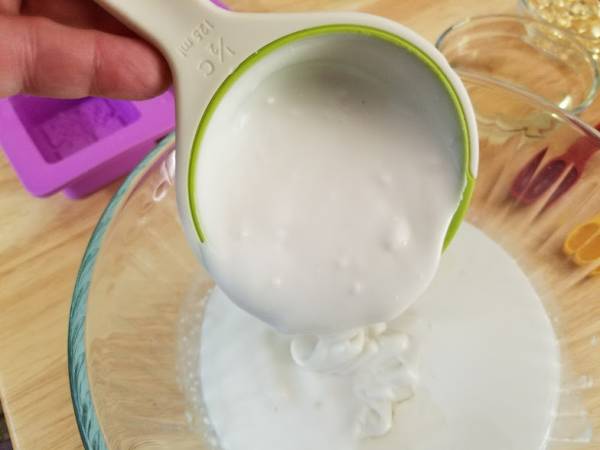
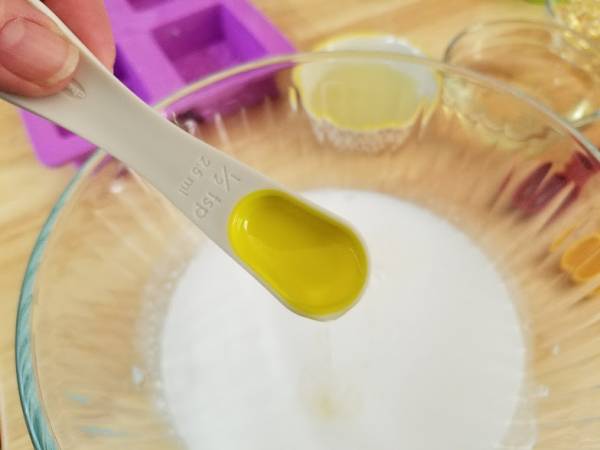
Step 2: Add lime juice
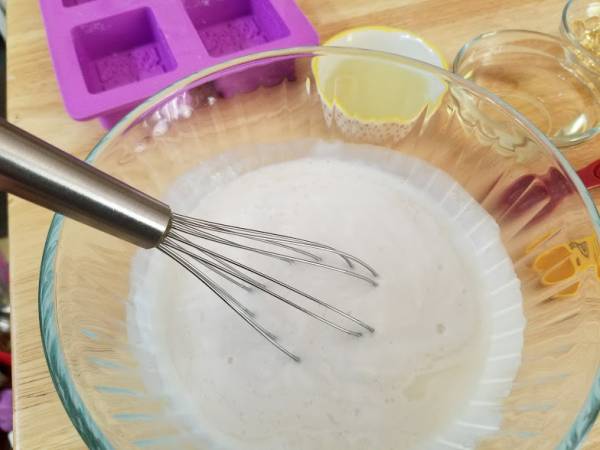
Step 3: Using a whisk, combine ingredients.
Step 4: Add coconut oil to the bowl
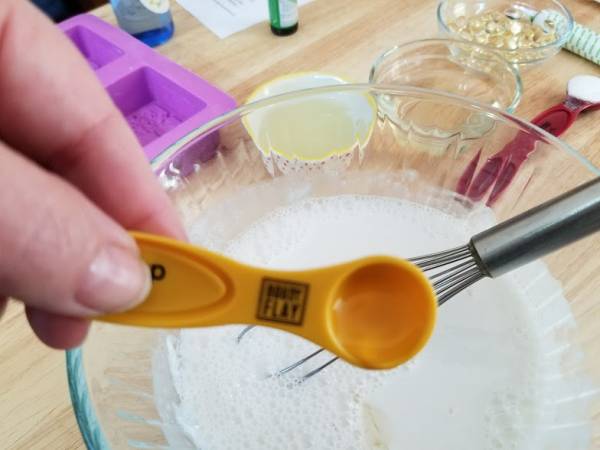
 

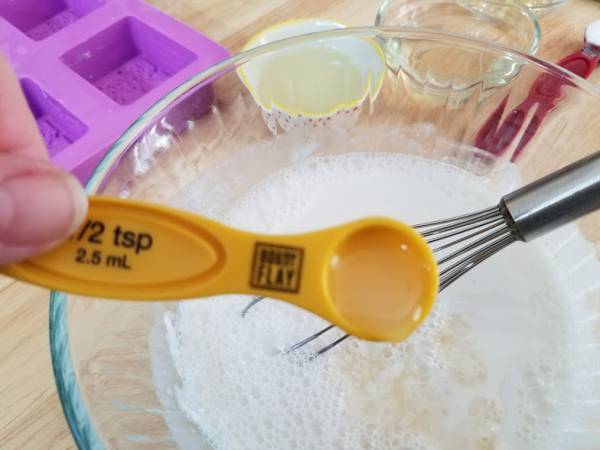
Step 5: Add apple cider vinegar to the mixture
 

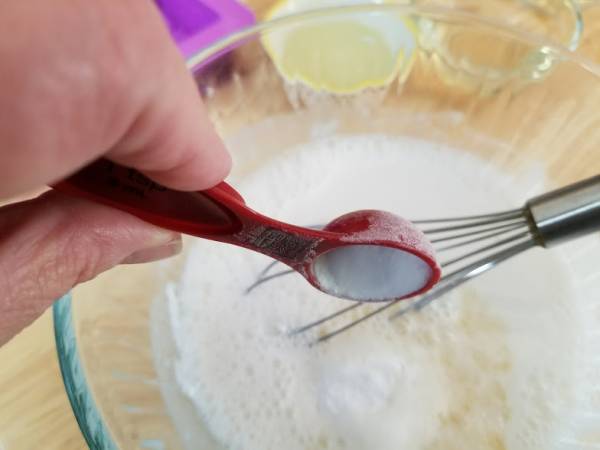
Step 6: Add baking soda to the bowl
 

Step 7: Add vitamin E to the mixture
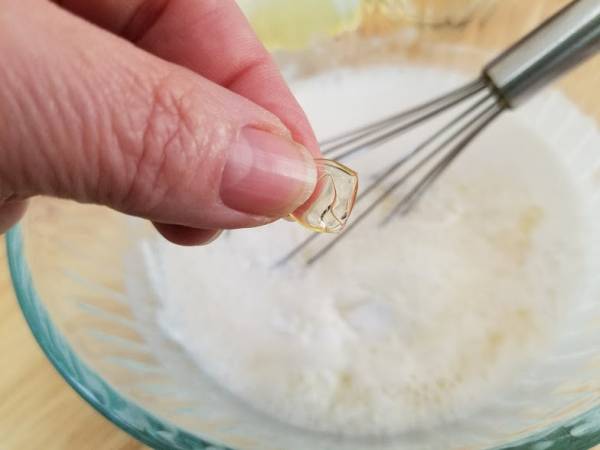
Step 8: Add lime essential oil
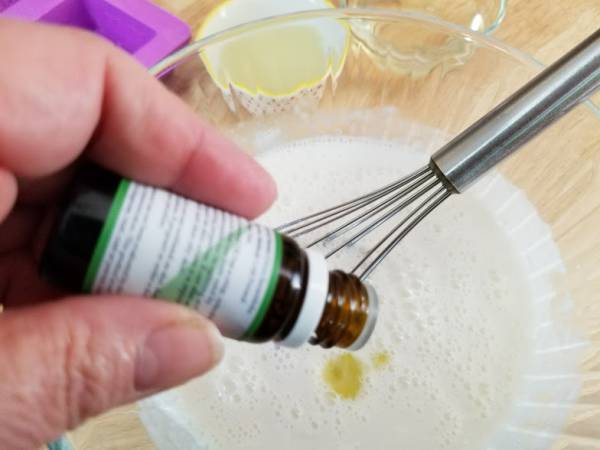
Step 9: Add colouring if desired
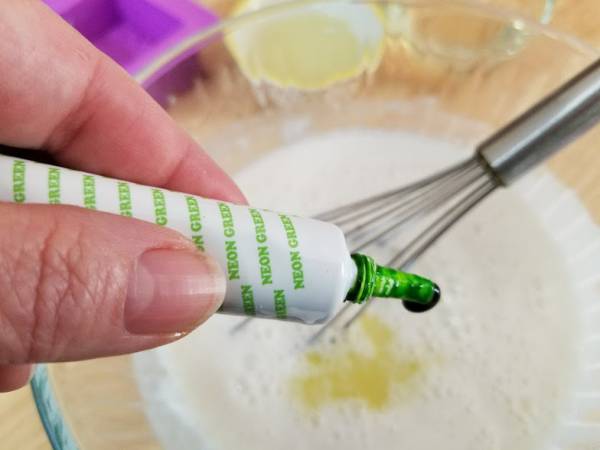
 

Step 10: Mix everything together well with a whisk
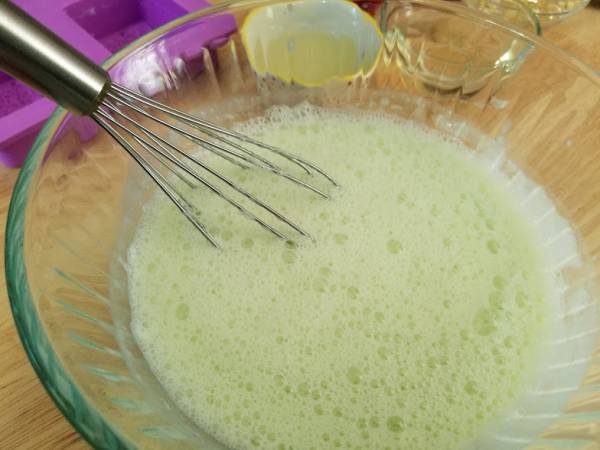
 

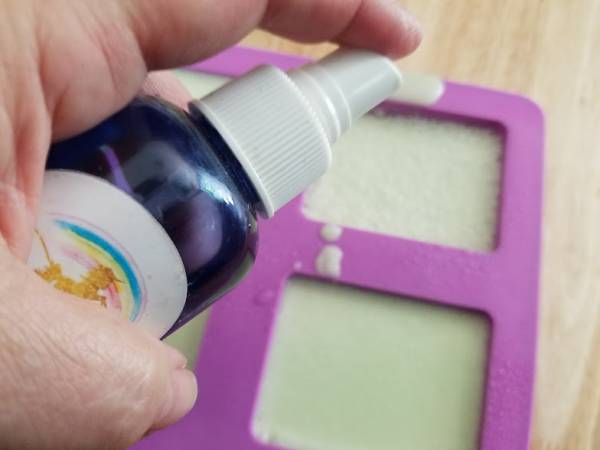
Step 11: Spray bottom of mold with rubbing alcohol. This removes the bubbles formed when mixing your soap!
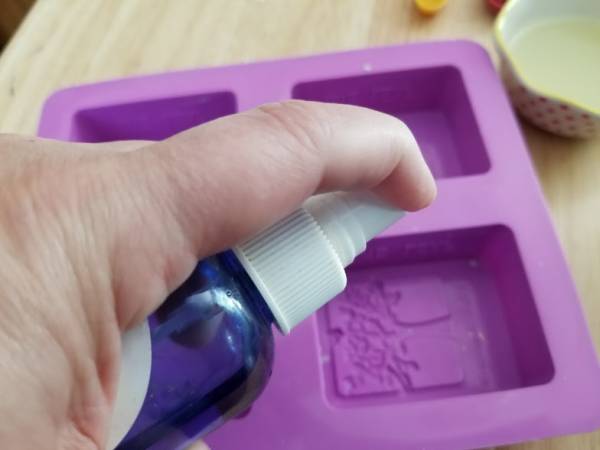
 

Step 12: Carefully add soap mixture to mold.
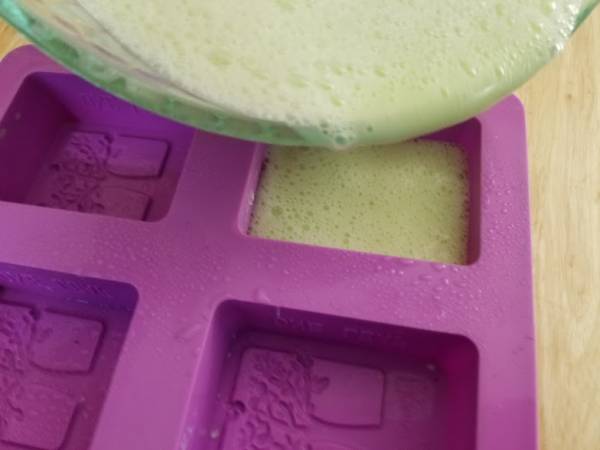
 

Step 13: Spray top of mold with the rubbing alcohol.
 

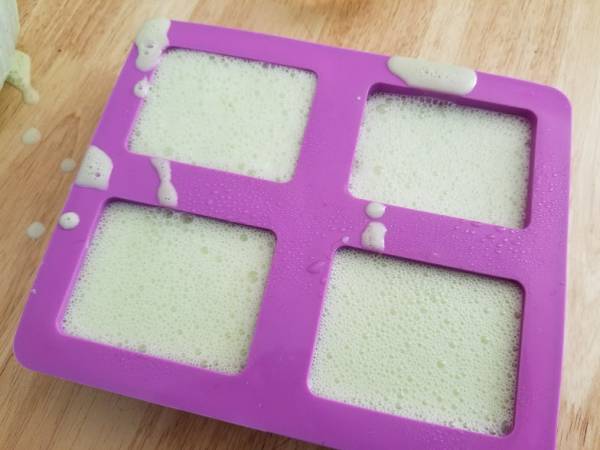
Step 14: Allow hardening for at least 2 hours.
 

Store in an airtight container or Ziploc bag until ready for use.
This article contains affiliate links, this means that when you purchase from the links below we will get a kick back in small change, this is at no extra cost to you.

Looking for more Goat’s Milk recipes? Check out our DIY recipe for making your own goat’s milk lip chapstick. The Goat’s milk in this DIY Goat’s Milk Chapstick recipe will leave your lips soft and smooth.  The PH Level in goat’s milk is super skin-friendly and the lactic acid helps remove dead skin cells from your lips for a soft and brighter smile. The ingredients are so basic for making this lip balm you will be surprised, you may even have the chapstick ingredients in your fridge or pantry.
Related Posts:

  • The Power of Aromas: How Candle and Soap Scents…
  • Teaching the Art of Soap Making: A Guide to Hosting…
«
»

Comments

  1. Dave says

    January 27, 2019 at 12:20 pm

    When you say coconut milk do you mean the stuff from the grocery store?

  2. Shellie Wilson says

    February 3, 2019 at 10:12 pm

    Yes

  3. Lisa J says

    April 24, 2019 at 7:10 am

    Could I add Lime zest ? and/or coconut flakes ?

  4. julie plank says

    May 9, 2019 at 4:06 pm

    whats the shelf life for this please

  5. Mary says

    September 11, 2019 at 7:28 pm

    Is it the coconut milk in the can?

  6. Sandra Rekemeier says

    August 8, 2020 at 9:56 am

    Trying to find a pleasant smelling coconut oil. What brand do you use?

  7. Biu says

    April 20, 2021 at 6:28 am

    Hey is it possible to use alcohol to spray on it or I can escape it?

  8. Ciska says

    May 16, 2021 at 3:04 pm

    This is an awful recipe… Who makes these up? What do you gain buy it..?

    Melt and pour soap 101:

    For melt and pour you cannot use: coconut milk (too much moisture and this will mold! ), lime juice (same), vinegar (too much moisture) , baking soda (wth?). The rest is OK to add but is useless in reality and together the additives are way too much.

    Using food coloring in soap is not allowed per the FDA.

    Only use soap and skin safe essential oils. Keep to the max weight % the manufacturer gives you for soap. Never measure EO in ‘drops’.

    Keep all additives combined (!) to 1 level teaspoon per pound of soap base to prevent issues like the soap not setting well, less lather, sweating, feeling oily.

    Bottom line:
    Even if you get a somewhat hard soap using this recipe, the shelf life of a soap like this is 1 or 2 days max. After that the mold spores and bacteria from the botanicals can cause health issues. For healthy people, let alone for people with mold allergies, asthma, low immune system or pregnant.

    Please take better care when posting recipes!

    ….

Have you read?

DIY Herbal Vapor Rub Balm – A Natural Vicks-Style Decongestant for Cold and Flu Relief

When someone in the house starts sniffling, you just know it’s going to make the rounds. That’s when I reach for this homemade herbal vapor rub—our family’s go-to chest balm for easing congestion, coughs, and that heavy-headed sick feeling.

Made with gentle yet powerful essential oils, this balm works just like the classic Vicks rub (but without the synthetic stuff). It’s safe, effective, and smells like a eucalyptus grove with a hint of grandma’s medicine chest—in the best possible way!

Whether you’re treating a toddler’s sniffles or trying to head off a man cold, this DIY vapor rub will be your winter wellness MVP.

Why You’ll Love This Natural Decongestant Balm

  • No petroleum or nasties – A clean, green homemade Vicks alternative 
  • Gentle enough for kids – With optional adjustments for littlies 
  • Nourishing balm texture – Melts into skin without being greasy 
  • Essential oils – Provide cooling, clearing, and comforting support 
  • Customizable – Make it stronger for adults or extra-gentle for babies 

Ingredients

Base:

  • 1/4 cup coconut oil (or olive oil for a softer balm) 
  • 2 tbsp shea butter or mango butter 
  • 2 tbsp beeswax pellets 

Essential Oil Blend (for adults):

  • 10 drops eucalyptus essential oil 
  • 8 drops peppermint essential oil 
  • 6 drops rosemary essential oil 
  • 4 drops tea tree essential oil 
  • 4 drops lavender essential oil 

Optional for kids under 5:
Replace eucalyptus and peppermint with fir needle and cedarwood atlas, and halve the total essential oil amount.

How to Make Your Own Vapor Rub

  1. Melt the base:
    In a double boiler (or a bowl over simmering water), gently melt the coconut oil, shea butter, and beeswax together. Stir until smooth and liquid. 
  2. Cool slightly:
    Remove from heat and let cool just a few minutes—enough that it’s no longer scalding hot but still liquid. 
  3. Add essential oils:
    Stir in your essential oil blend. Don’t add them too early or the heat will evaporate their goodness. 
  4. Pour into tins or jars:
    Carefully pour into a small glass jar or metal balm tin. Let cool completely before putting the lid on. 
  5. Label & store:
    Store in a cool place away from sunlight. Balm will keep for up to 6 months. 

How to Use Your Herbal Chest Rub

  • For chest and back: Rub a small amount onto chest, upper back, and soles of the feet during cold or flu season. 
  • For steam relief: Add a pea-sized amount to a bowl of steaming water, cover your head with a towel, and inhale. 
  • For headaches: Dab a touch on temples and neck (use caution and avoid eyes). 

Mum Tips

  • Patch test first if you’re unsure about sensitivities. 
  • Keep a tiny jar in your handbag during winter for on-the-go sniffles. 
  • For a nighttime version, add a few drops of Roman chamomile or lavender for extra sleep support. 


Leave a Reply

Your email address will not be published. Required fields are marked *

RSS More Articles

  • How To Sew A Slip Stitch: The Invisible Hand Sewing Stitch Every Beginner Should Know
  • Learning about France for Kids
  • How To Make A Recycled Skittles Pouch
  • How To Work A Provisional Cast On In Knitting
  • 4th of July Tie-Dye Cookie Ideas – Red, White and Blue Cookies for Summer Parties
  • 10 Quick and Easy Card Ideas Using Basic Stamping Techniques (Beginner Friendly)
  • The Alto Mare Wrap – Crochet Pattern
  • 4 FREE Marine Creatures Digital Stamps
  • Pocket Emotional Support Chickens
  • Cross Stitch Project Bags: Storage Ideas to Keep Your WIPs Organized

Copyright © 2026 · CraftGossip | Start Here | Contact Us | Link to Us | Your Editors | Privacy and affiliate policy