• Home
  • Suggest A DIY
  • DIY Newsletter

Bath and Body

Soap Making, Oils and Recipes

  • About CraftGossip
  • Our Network
    • Bath & Body Crafts
    • Candle Making Ideas
    • Crochet Ideas
    • Cross Stitch
    • Edible Crafts
    • Felting Patterns
    • Glass Art
    • Home & Garden Ideas
    • Indie Crafts
    • Jewelry Making
    • Kids Crafts
    • Knitting Patterns
    • Lesson Plans
    • Needlework
    • Party Ideas
    • Polymer Clay
    • Quilting Ideas
    • Recycled Crafts
    • Scrapbooking
    • Sewing Patterns
    • Card Making
    • DIY Weddings
    • Not Craft Ideas
  • Giveaways
  • Roundups
  • Store
  • Search

DIY Orange And Thyme Bath Bombs

April 27, 2019 by Shellie Wilson 1 Comment

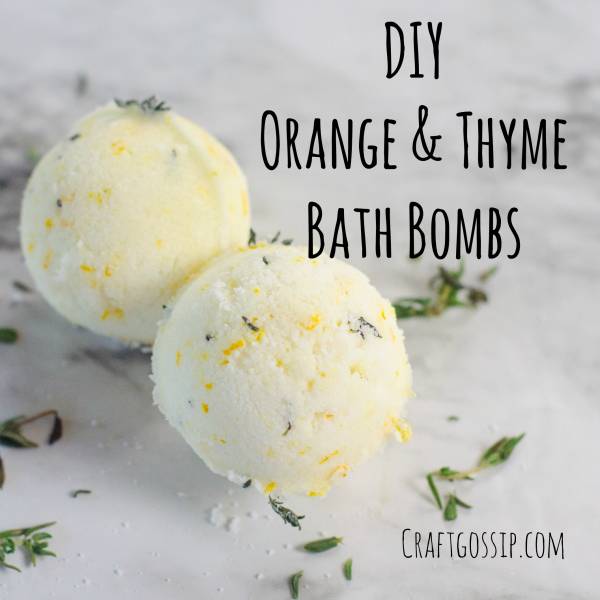
This bath and body tutorial is for making your own DIY bath bombs. This Bath bomb recipe is for Orange and Thyme. You can see the full bath and body recipe below. They are so easy to make and are perfect for gift giving.
1 cup baking soda
1 cup citric acid 
1/2 cup cornstarch
4 tablespoons oil (coconut, olive, pumpkin)
3 to 6 drops of orange fragrance
2 teaspoons orange zest
2 sprigs of thyme
bath bomb mold
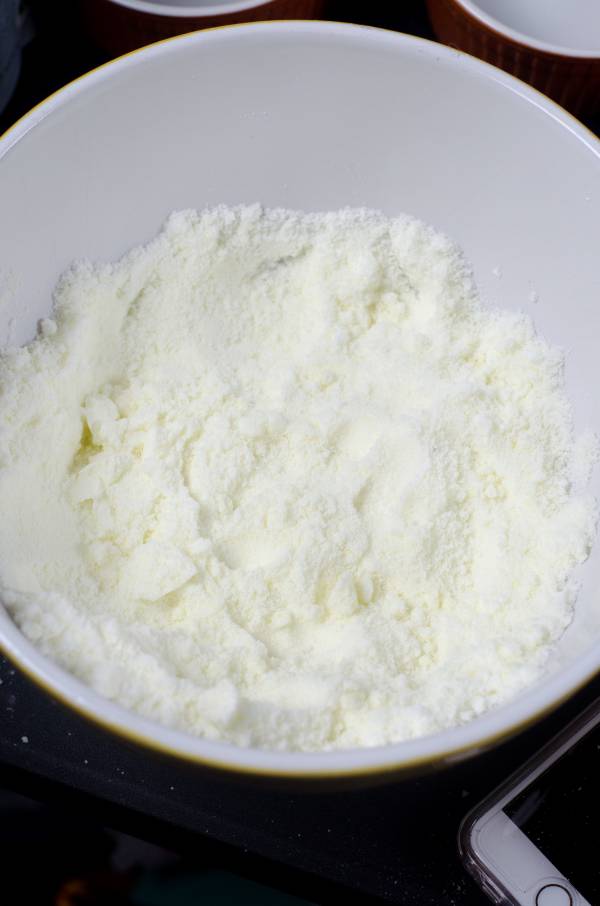
In a bowl, add in corn starch, citric acid, and baking soda stir well. 
Add in olive oil (or other oils) and stir with a fork to keep light and fluffy. Add in fragrance and zest stir well.
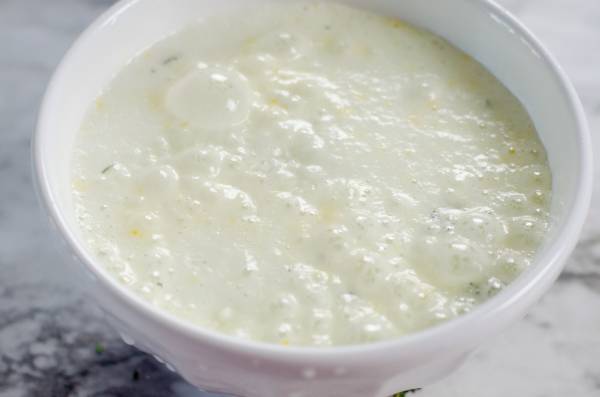
Using the mold add in thyme and packet both sides of mold then press together. Once you press together, leave in mold for about a minute then remove and place on a tray to dry (harden) overnight.
The possibilities are endless with different molds, colors, and fragrances. Let your imagination guide you!
Check out the t-shirt design here. Bath Bomb T-shirt.

 Looking for more Bath Bome recipes? Check out these new recipes and tutorials. Edited to add we often get asked what’s the best mold for making bath bombs. My preferred mold is a stainless steel bath bomb mold. 


Bath Bomb – Mocha Latte — CraftBits.com

Anti-Fungal Feet Bath Bomb 

Bath Muffins/Cupcakes – Basic — CraftBits.com

Geode Inspired Bath And Body Recipes
DIY Unicorn Frappuccino Bath Bomb 

Apple Bath Bombs  

Peppermint And Orange Bath Bombs 

Related Posts:

  • Fragrance Oils For Soap Making: How To Choose Scents…
  • DIY Calming Lavender Tea
«
»

Comments

  1. Bracken says

    May 16, 2019 at 11:00 am

    In the UK this recipe may well be illegal. We need to have twice the quanitiy in weight of baking soda/ filler for example you use cornstarch) to citric acid in roder to obtain complete equiland acid base neutralisation of the acid/base. Also cornstarch recipes cause fungal problems in some individual so personallyu I would avoid using this in any bath remedy.

Have you read?

How To Make Natural Face Cleanser: A Beginner-Friendly Guide To DIY Cleansers That Actually Make Sense

If you have ever stood in the skincare aisle squinting at a cleanser label and wondering why something called “gentle” has 37 ingredients in it, you are not alone. Making your own natural face cleanser can feel wonderfully simple in theory — a little honey here, a splash of oil there, maybe some oats because Grandma always said oats were soothing — but there is a little more to it if you want something that is actually kind to your skin.

The good news? You do not need a cosmetic chemistry degree to understand the basics of how to make natural face wash at home. You just need to know what type of cleanser your skin needs, which ingredients are worth using, and when a recipe needs to be kept fresh, refrigerated, or skipped altogether.

This is a beginner-friendly guide to natural facial cleansers, especially if you love simple DIY beauty recipes but do not want to accidentally create something that dries your face out, clogs your pores, or turns into a questionable science experiment in the bathroom cupboard. We have all had enough mystery jars in the fridge without adding skincare to the list.

What Is A Natural Face Cleanser?

A natural face cleanser is a skincare product made with simple cleansing ingredients such as oils, clays, oats, honey, aloe vera, castile soap, floral waters, or gentle plant-derived surfactants. The goal is to remove dirt, makeup, excess oil, sunscreen, and everyday grime without stripping the skin.

The important thing to remember is that “natural” does not automatically mean “gentle.” Lemon juice is natural, but I would not be rubbing it all over my face every morning. Baking soda is natural too, but it can be far too alkaline for delicate facial skin. A good homemade cleanser should feel comfortable, rinse or wipe away easily, and leave your skin feeling clean rather than tight.

If you are just dipping your toe into handmade skincare, start with simple recipes like this honey and almond oil cleanser or this castor oil cleansing oil recipe. Both are lovely examples of how basic ingredients can be used without making things unnecessarily complicated.

The Main Types Of Natural Cleansers

Before you start mixing, it helps to know what kind of cleanser you are making. Not every cleanser works the same way, and not every skin type loves the same texture.

Oil Cleansers

Oil cleansers use the idea that oil dissolves oil. They are often used to remove makeup, sunscreen, and excess sebum. Castor oil, sweet almond oil, jojoba oil, grapeseed oil, and sunflower oil are popular choices.

Oil cleansing is especially useful if your skin feels dry after washing, but the trick is balance. Too much castor oil can feel heavy or drying for some people, while lighter oils are often better for daily use. Keep a stack of soft reusable face cloths nearby, because this method usually works best when gently wiped away with warm water.

A small bottle of sweet almond oil, jojoba oil, or organic castor oil from Amazon is a handy starting point if you are testing your first homemade cleansing oil.

Cream Or Milk Cleansers

Creamy cleansers are ideal for dry, mature, or sensitive skin. These usually combine soothing ingredients such as milk, oats, aloe, oils, or gentle emulsifiers to create something soft and comforting.

For a very simple old-fashioned style cleanser, this <a href=”https://craftbits.com/project/oat-milk-paste-cleanser/”>oat milk paste cleanser</a> is a good example of using pantry-style ingredients in a gentle skincare recipe. Oats are one of those ingredients that feel beautifully nostalgic, like something your grandmother would have recommended before skincare became a 12-step event.

Clay Cleansers

Clay cleansers use ingredients such as kaolin clay, French green clay, bentonite clay, or rhassoul clay to absorb oil and lightly cleanse the skin. Kaolin is usually the gentlest option and is a nice starting point for beginners.

Clay can be wonderful for oily or combination skin, but it can also be overdone. If your face feels tight, squeaky, or shiny after rinsing, that is usually a sign you have gone a bit too enthusiastic with the clay. Ask me how many craft supplies I have overused because “a little more couldn’t hurt.” Spoiler: sometimes it can.

Powder Cleansers

Powder cleansers are one of the easiest DIY face wash ideas because they do not contain water until you use them. This means they are generally easier to store than a water-based homemade cleanser.

A basic powder cleanser might include finely ground oats, kaolin clay, rice powder, milk powder, or a small amount of botanical powder. To use it, you mix a teaspoon of powder with water, honey, yogurt, or aloe vera gel in your palm, massage gently, and rinse.

This is also a lovely option for handmade gifts, especially when packaged in a small glass jar with a label and a note explaining how to use it. You can find small cosmetic jars, muslin cloths, mini scoops, and printable labels on Amazon or Etsy if you want to make a polished gift set.

Gel Or Foaming Cleansers

Foaming cleansers are where things become a little more “formulation” and a little less “grab something from the pantry.” A gentle gel cleanser usually needs water, a mild surfactant, humectants such as glycerin, and a suitable preservative.

This type of cleanser can be beautiful, but it is not the place to guess. Once water is added to a product and stored, preservation matters. A water-based homemade face wash without a proper preservative should be made in tiny amounts and used quickly, not tucked behind the toothpaste for three months and rediscovered like buried treasure.

Ingredients To Use In Natural Face Cleansers

Here are some beginner-friendly ingredients worth knowing.

Honey

Honey is popular in DIY skincare because it gives a soft, cushiony feel and blends well with oils, oats, and clays. Use it in fresh, single-use recipes rather than large stored batches.

Oats

Finely ground oats are gentle, comforting, and useful in powder cleansers or paste cleansers. Make sure they are ground very finely so they do not feel scratchy.

Aloe Vera

Aloe vera gel can feel cooling and soothing, but it is water-based. That means it needs careful storage and preservation if you are making anything beyond a single-use recipe.

Kaolin Clay

Kaolin clay is a gentle clay suitable for many skin types. It gives powder cleansers a soft slip and helps absorb excess oil without being as intense as some stronger clays.

Jojoba Oil

Jojoba oil is technically a liquid wax, and many people like it because it feels lighter than heavier oils. It is a nice choice for oil cleansing blends.

Sweet Almond Oil

Sweet almond oil is nourishing, easy to find, and lovely in simple cleansing oils. Avoid it if you have nut allergies or are making gifts for someone whose allergies you do not know.

Vegetable Glycerin

Glycerin is a humectant, which means it helps draw moisture to the skin. It can be useful in gel or cream cleansers, but too much can feel sticky.

Gentle Surfactants

If you are making a rinse-off cleanser that actually foams, look for mild surfactants such as decyl glucoside, coco glucoside, or cocamidopropyl betaine. These are more advanced than pantry ingredients, but they are commonly used in gentle cleanser formulas.

Ingredients To Be Careful With

Some DIY skincare ingredients are popular online but need caution.

Avoid using straight lemon juice on the face, especially before sun exposure. Be careful with baking soda, as it is usually too alkaline for facial skin. Go gently with essential oils, particularly around the eyes or on sensitive skin. Do not use rough exfoliants such as sugar, salt, coffee grounds, crushed shells, or anything gritty on delicate facial skin.

And please, do not assume that because something is edible, it belongs in a cleanser. I love a good kitchen craft, but your face is not a mixing bowl.

A Simple Natural Powder Cleanser Recipe

This is one of the easiest beginner DIY face cleanser recipes because it is made dry and activated only when you use it.

You Will Need

2 tablespoons finely ground oats
1 tablespoon kaolin clay
1 tablespoon rice powder or milk powder
1 teaspoon honey powder, optional
A clean dry jar with lid

How To Make It

Mix all ingredients together in a small bowl.

Spoon the mixture into a clean, completely dry jar.

Label the jar with the name and date.

To use, place about 1 teaspoon of powder in your palm and mix with a few drops of water, aloe vera gel, plain yogurt, or honey until it forms a soft paste.

Massage gently over damp skin, avoiding the eye area.

Rinse with lukewarm water and pat dry.

Follow with your usual moisturiser.

Shellie’s Tip

Keep water out of the jar. Wet fingers are the fastest way to ruin a dry skincare mix. Use a tiny scoop or clean dry spoon instead. Those little cosmetic scoops are inexpensive and make homemade skincare feel much fancier than it has any right to.

A Simple Cleansing Oil Recipe

This is a good starter recipe if you want to remove makeup or sunscreen without using a foaming cleanser.

You Will Need

1 tablespoon castor oil
3 tablespoons sweet almond oil, jojoba oil, or sunflower oil
Optional: 1 drop lavender essential oil, only if your skin tolerates essential oils

How To Make It

Add the oils to a small clean bottle.

Shake gently to combine.

To use, massage a small amount over dry skin.

Hold a warm damp face cloth over your face for a few seconds, then gently wipe away.

Repeat if needed, then follow with a gentle cleanser or moisturiser.

If you are new to oil cleansing, start without essential oils. Fragrance is lovely in soap, candles, and bath bombs, but facial skin can be fussy. Mine certainly likes to object at the worst possible moment.

A Fresh Honey And Oat Cleanser For One Use

This is a quick single-use cleanser for days when your skin feels dry or dull.

You Will Need

1 teaspoon finely ground oats
1 teaspoon honey
A few drops warm water or aloe vera gel

How To Make It

Mix the oats and honey in a small dish.

Add just enough water or aloe to make a soft paste.

Massage gently onto damp skin.

Leave for one minute if desired.

Rinse well and pat dry.

This is not a make-ahead recipe. Mix it fresh, use it, and wash the dish. Very glamorous, I know, but also very sensible.

What About Preservatives?

This is the part of homemade skincare that beginners often skip, mostly because it sounds intimidating. But it matters.

If a cleanser contains water, aloe vera, hydrosol, tea, milk, or any water-based ingredient and you want to store it, it needs a suitable broad-spectrum cosmetic preservative. Vitamin E is not a preservative. Essential oils are not reliable preservatives. Grapefruit seed extract is not a magic safety button.

For home use, the easiest way to avoid preservative confusion is to make either:

small single-use fresh cleansers
dry powder cleansers
anhydrous oil cleansers that do not contain water

Once you start making water-based gels, creams, and foaming cleansers, it is worth learning proper cosmetic formulation and using pH strips, accurate scales, and approved preservatives.

Choosing A Cleanser For Your Skin Type

Dry Skin

Try oil cleansers, cream cleansers, oat-based cleansers, or honey-based fresh cleansers. Avoid strong clays and anything that leaves your skin tight.

Oily Skin

Try kaolin clay powder cleansers, gentle gel cleansers, or light oil cleansing with jojoba or grapeseed oil. Do not over-cleanse, because stripped skin can sometimes respond by feeling even oilier.

Mature Skin

Look for gentle, cushiony cleansers with oils, oats, glycerin, aloe, or creamy textures. Avoid harsh foaming products and scratchy exfoliants.

Sensitive Skin

Keep it boring. I say that with love. Choose fragrance-free, essential-oil-free, gentle ingredients and patch test before using anything new on your face.

Acne-Prone Skin

Be careful with heavy oils, fragrance, and over-exfoliating. Homemade skincare can be lovely, but acne-prone skin may need more targeted support. If your skin is painful, inflamed, or worsening, it is worth speaking with a dermatologist or qualified skincare professional.

Common DIY Cleanser Mistakes

Making too much at once is a big one. A fresh cleanser is not meant to live indefinitely in the bathroom.

Using rough exfoliants is another. Facial skin does not need to be scrubbed like a casserole dish.

Adding too many essential oils can also cause problems. A cleanser does not need to smell like an entire herb garden to work.

Skipping labels is another classic mistake. Label your jars with the ingredients and date made, especially if you are giving them as gifts.

And finally, do not use the same spoon, jar, or cloth over and over without washing it properly. Clean tools matter, even when the recipe is natural.

Helpful Supplies For Making Natural Face Cleansers

You do not need a huge setup, but a few basics make DIY skincare easier and safer:

small glass jars or cosmetic pots
amber bottles for oils
a digital scale
mini spatulas or scoops
pH strips for more advanced formulas
kaolin clay
finely ground oats
sweet almond oil, jojoba oil, or castor oil
soft reusable face cloths
waterproof labels

If you are building a small DIY skincare kit, Amazon is useful for jars, scales, pH strips, cosmetic spatulas, and beginner soapmaking or skincare tools. Etsy can also be lovely for printable skincare labels, handmade gift packaging, and small-batch botanical ingredients from independent sellers.

You can browse more handmade bath and body ideas in the <a href=”https://craftbits.com/bath-and-body-crafts/”>CraftBits bath and body crafts section</a>, especially if you want simple recipes that feel achievable rather than overwhelming.

Can You Sell Homemade Face Cleansers?

You can make DIY cleansers for yourself quite casually, but selling them is a different kettle of craft-room fish. If you are selling homemade cosmetics, you need to understand cosmetic labelling, ingredient safety, contamination risks, shelf life, and the regulations that apply where you live.

This is especially important with water-based cleansers. Anything that can grow bacteria, yeast, or mould needs proper preservation and testing. It is not enough to say “natural” on the label and hope for the best.

For gifts, I prefer dry powders, oil-based products, or fresh-use recipes with clear instructions. They are simpler, prettier to package, and far less likely to become a bathroom cupboard disaster.

The Best Beginner Natural Cleanser To Start With

If you are brand new, start with a powder cleanser or cleansing oil. They are forgiving, practical, and do not require the same preservative knowledge as a stored water-based cleanser.

Once you understand how your skin reacts, you can experiment with clays, oats, oils, honey, and gentle surfactants. Keep notes as you go. Write down what you used, how your skin felt, and whether you would change anything next time. It sounds a bit fussy, but it saves you from recreating the one perfect batch and having no idea what you did.

Natural skincare does not need to be complicated to be useful. A good homemade face cleanser should be simple, gentle, and suited to your real skin — not the imaginary skin we all think we have after watching a glossy skincare reel at midnight.


Leave a Reply

Your email address will not be published. Required fields are marked *

RSS More Articles

  • 12 Handmade Card Ideas with Tropical Vibes
  • 26 Clever Ways to Upcycle Your Old Sewing Machine Table or Parts
  • Cross Stitch Creatures from the Sea
  • 15 Free Women’s Nightgown Sewing Patterns For Comfortable Handmade Sleepwear
  • 9 Fireworks and 4th of July Scrapbook Layout Templates
  • Eyelet and Mesh Sweaters to Keep Cool in Summer
  • Smart Shopping for Quilters – Monday Precut Fabric Sales
  • How To Make Liquid Castile Soap From Bar Soap
  • How To Make Chicken Soup: Cozy Homemade Chicken Soup Recipes For Every Kind Of Cold Day
  • 21 Spring Air Dry Clay Crafts To Make And Sell This Season

Copyright © 2026 · CraftGossip | Start Here | Contact Us | Link to Us | Your Editors | Privacy and affiliate policy