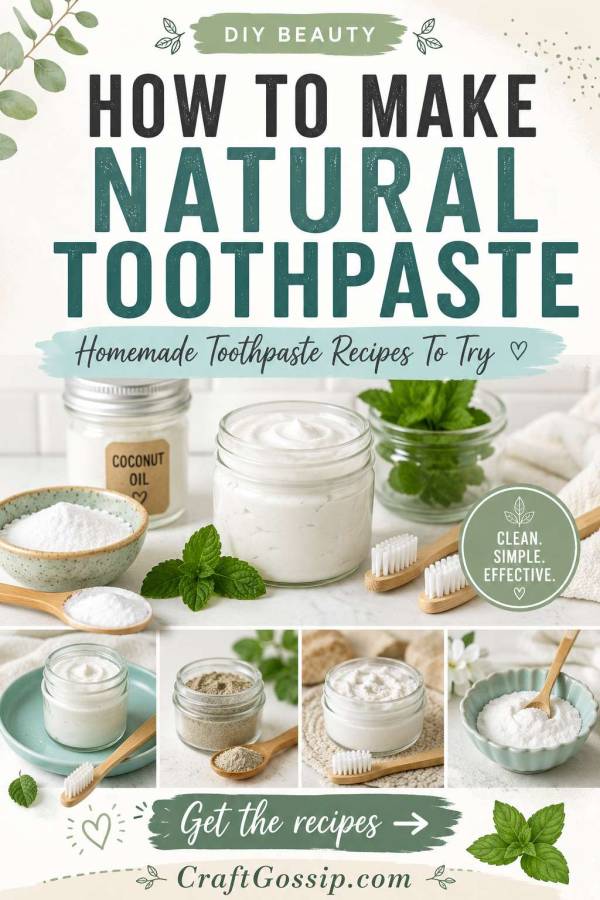
If you’ve ever stood in the bathroom reading the tiny ingredient list on the back of a toothpaste tube and wondered whether you could simply make your own, you certainly aren’t alone.
Homemade toothpaste is one of those wonderfully old-fashioned DIY projects that has found its way back into modern natural living. Part of the appeal is simplicity. Depending on the recipe, you might only need baking soda, coconut oil, calcium carbonate, xylitol or a little peppermint flavouring.
There’s also the packaging side of things. A little glass jar sitting beside the bathroom sink can be reused over and over again instead of tossing out another toothpaste tube.
And, quite frankly, there’s something rather satisfying about knowing exactly what went into the jar.
Before you raid the pantry, though, there is one important thing worth mentioning.
A Quick Note About Homemade Toothpaste And Fluoride
Most homemade toothpaste recipes are fluoride-free. That doesn’t automatically make them a replacement for the toothpaste your dentist recommends.
The American Dental Association recommends brushing twice daily with fluoride toothpaste, and NHS dental guidance similarly recommends fluoride toothpaste for protecting against tooth decay.
Think of the recipes below as DIY formulations to explore rather than personalised dental advice. If you’re considering replacing your everyday fluoride toothpaste — particularly for children, anyone prone to cavities, or anyone with existing dental problems — have a chat with your dentist first.
Now for the fun bit: mixing things in little jars.
Coconut Oil And Baking Soda Toothpaste
If you want to start with the simplest possible homemade toothpaste, this is probably it.
How to Make Homemade Coconut Oil Toothpaste That Actually Works combines coconut oil with baking soda and optional flavourings to create a very basic paste.
It’s the sort of recipe you can make without turning the bathroom into a chemistry laboratory. Coconut oil provides the paste-like base while baking soda provides the cleaning component. The texture will change with the temperature of your bathroom, though — coconut oil has definite opinions about summer.
Best for: First-time toothpaste makers who want a very short ingredient list.
Australian Bentonite Clay Natural Toothpaste
How To Make Your Own Natural Toothpaste from Biome combines bicarbonate of soda, bentonite clay, coconut oil, water and peppermint essential oil.
This one has much more of that traditional natural-remedy cupboard feel, and it makes approximately 100 ml.
I also like that the recipe discusses the reasons people choose homemade toothpaste, including reducing packaging and simplifying ingredients, while still advising readers to discuss switching away from fluoride toothpaste with their dentist.
Best for: Zero-waste households and anyone already making their own bath and body products.
Dentist-Formulated Homemade Toothpaste
For anyone thinking, “Yes, but can I make something that actually feels like toothpaste?”, this is an interesting one.
Best Homemade Toothpaste Recipe: Dentist Formulated! uses calcium carbonate, baking soda, xylitol, glycerin and other ingredients to produce something much closer to conventional toothpaste in consistency.
The recipe was developed by Tracy Ariza, DDS, and goes further into formulation than the usual coconut-oil-and-baking-soda mixture.
It’s particularly useful if you’ve tried homemade toothpaste before and couldn’t get past the oily or gritty texture.
Best for: DIYers who enjoy proper cosmetic formulation and want a smoother paste.
Super Simple Baking Soda Toothpaste
If your craft cupboard already contains twenty-seven specialist ingredients, you may not want your bathroom DIYs heading in the same direction.
Homemade Toothpaste: A Simple and Effective Natural Recipe keeps things decidedly uncomplicated.
The basic recipe starts with baking soda, optional fine sea salt, peppermint flavouring and enough filtered water to create your preferred consistency.
It takes only a few minutes to mix.
Best for: Anyone specifically searching for an easy homemade toothpaste recipe using everyday ingredients.
Homemade Remineralizing-Style Toothpaste
This is one of the more ingredient-heavy options in the collection.
Homemade Remineralizing Toothpaste Recipe combines calcium phosphate, baking soda, coconut oil and optional xylitol and flavourings.
Rather than dipping your toothbrush repeatedly into the container, the recipe suggests using a clean spoon or small stick to transfer toothpaste to the brush. That’s a sensible habit for any homemade toothpaste stored in a jar.
Best for: Experienced natural-product makers who are comfortable sourcing speciality ingredients.
Squeezable Homemade Toothpaste
My biggest complaint about homemade coconut-oil toothpaste? Depending on the weather, you may get toothpaste one day and something resembling a peppermint-scented candle the next.
Squeezable Homemade Toothpaste tackles that particular problem.
The recipe combines calcium carbonate and coconut oil with MCT oil or distilled water to produce a softer mixture that can be put into a reusable squeezable tube.
That alone makes it interesting for families who like DIY products but don’t particularly want everyone sharing a jar beside the sink.
Best for: People wanting the convenience of conventional toothpaste packaging without continually buying disposable tubes.
Zero-Waste Tooth Powder
Toothpaste doesn’t actually have to be a paste.
DIY Zero Waste Toothpaste includes a straightforward tooth-powder formulation using xylitol, baking soda and bentonite clay.
Dry tooth powders are particularly interesting from a DIY perspective because removing water makes storage much simpler.
If you’ve made homemade lotions or scrubs before, you’ll know water is often the ingredient that turns a perfectly innocent kitchen experiment into a preservation problem. Water-containing homemade personal-care products generally have a much shorter shelf life unless they’re properly preserved.
Best for: Zero-waste bathrooms, travel kits and people who don’t mind swapping paste for powder.
Baking-Soda-Free Tooth Powder
Not everybody likes the salty taste or texture of baking soda.
Homemade Tooth Powder Without Baking Soda takes a different approach, using ingredients including calcium carbonate, bentonite clay, xylitol, sea salt and powdered herbs.
It’s also a good reminder that “homemade toothpaste” doesn’t need to mean making endless variations of coconut oil and bicarbonate of soda.
Best for: Readers specifically looking for homemade toothpaste alternatives without baking soda.
Bentonite Clay And Coconut Oil Toothpaste
Bentonite Clay Toothpaste uses a very natural-looking combination of food-grade bentonite clay, xylitol, coconut oil and optional peppermint flavouring.
This version produces a thick paste that can be stored in a small glass jar.
The recipe also discusses modifying the mixture with ingredients such as kaolin clay, although I would resist the urge to start randomly adding every natural powder lurking in the pantry. Teeth aren’t quite as forgiving as a batch of body scrub.
Best for: Natural DIY enthusiasts who already use cosmetic clays.
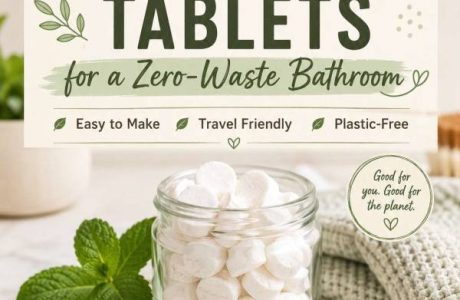
Homemade Toothpaste Tablets
Now this is where the DIY gets interesting.
Instead of storing toothpaste in a jar or tube, DIY Toothpaste Tablets turns the mixture into little solid tablets.
You chew a tablet until it forms a paste and then brush.
The formulation uses calcium carbonate, baking soda, xylitol and optional flavouring, and the mixture is pressed into small silicone moulds before drying.
They’re particularly clever for travelling because there’s no tube to leak through your toiletry bag.
Best for: Travel, zero-waste bathrooms and DIYers who enjoy making something slightly different.
A Natural Toothpaste Recipe For Kids
Getting children to accept homemade toothpaste can be another matter entirely. Adults might tolerate “earthy mint clay.” A six-year-old may deliver a rather more detailed review.
Homemade Natural Toothpaste Kids Will Love uses an orange-and-vanilla flavour combination rather than the usual strong peppermint.
It’s an inventive variation, but homemade toothpaste for children deserves extra consideration because established dental guidance recommends appropriately sized amounts of fluoride toothpaste for children.
I’d treat this one as inspiration and discuss any long-term change in a child’s toothpaste with their dentist.
Best for: Parents researching DIY formulations and child-friendly toothpaste flavours.
What You’ll Keep Seeing In Homemade Toothpaste Recipes
After looking through enough homemade toothpaste tutorials, you start noticing the same little collection of ingredients appearing on the bathroom bench.
Baking soda is commonly used as a mild abrasive and alkaline ingredient.
Calcium carbonate is another common abrasive and appears in both homemade and commercial toothpaste formulations.
Coconut oil creates that familiar paste consistency without needing much formulation knowledge.
Xylitol provides sweetness without using ordinary sugar. One household warning worth knowing: xylitol is highly toxic to dogs, so anything containing it needs to be stored securely away from pets.
Bentonite clay appears frequently in natural toothpaste and tooth-powder recipes, usually as part of the abrasive/mineral component.
Peppermint or spearmint flavouring provides the bit our brains have apparently decided means “clean teeth.”
Ingredients I’d Be Very Cautious About
Natural doesn’t automatically mean gentle.
Activated charcoal frequently appears in DIY whitening recipes, but dental professionals have raised concerns about abrasiveness and potential enamel damage when it’s used in homemade formulations.
I’d also skip internet recipes involving regular brushing with acidic ingredients such as lemon juice or vinegar. Tooth enamel and repeated exposure to acids aren’t exactly best friends.
And don’t assume that adding more abrasive powder makes toothpaste work better.
When we’re making body scrubs, more scrubby can sometimes be fun.
Teeth are different.
Keep Your Homemade Toothpaste Clean
If you’re storing toothpaste in a jar, don’t continually dip a wet toothbrush into it.
Use a small clean spoon or spatula to transfer what you need onto the brush. This helps prevent saliva and moisture being repeatedly introduced into the mixture. Dental professionals discussing alternative toothpastes have specifically raised hygiene concerns about shared jars and dipping toothbrushes directly into them.
I actually think tiny individual jars are rather cute anyway.
Label them, line them up and suddenly your bathroom looks like an apothecary rather than somewhere teenagers abandon wet towels.
Paste, Powder Or Tablet?
That’s perhaps the most interesting thing about making natural toothpaste yourself: you aren’t limited to recreating the supermarket tube.
You can make a traditional paste.
You can make a dry tooth powder.
You can make toothpaste tablets.
You can experiment with texture and flavour and reusable containers.
Just keep the DIY enthusiasm separate from dental claims. Homemade recipes can be enjoyable zero-waste projects, but they generally don’t contain the fluoride that major dental organisations recommend for preventing tooth decay.
For me, that’s the sensible way to approach this particular homemade swap: enjoy knowing what’s in the jar, enjoy reducing another bit of bathroom packaging, and keep your dentist involved in decisions about what you’re actually using for long-term dental care.
Leave a Reply